Enclosed Self-Cleaning Litter Box Tips for Multi-Cat Homes
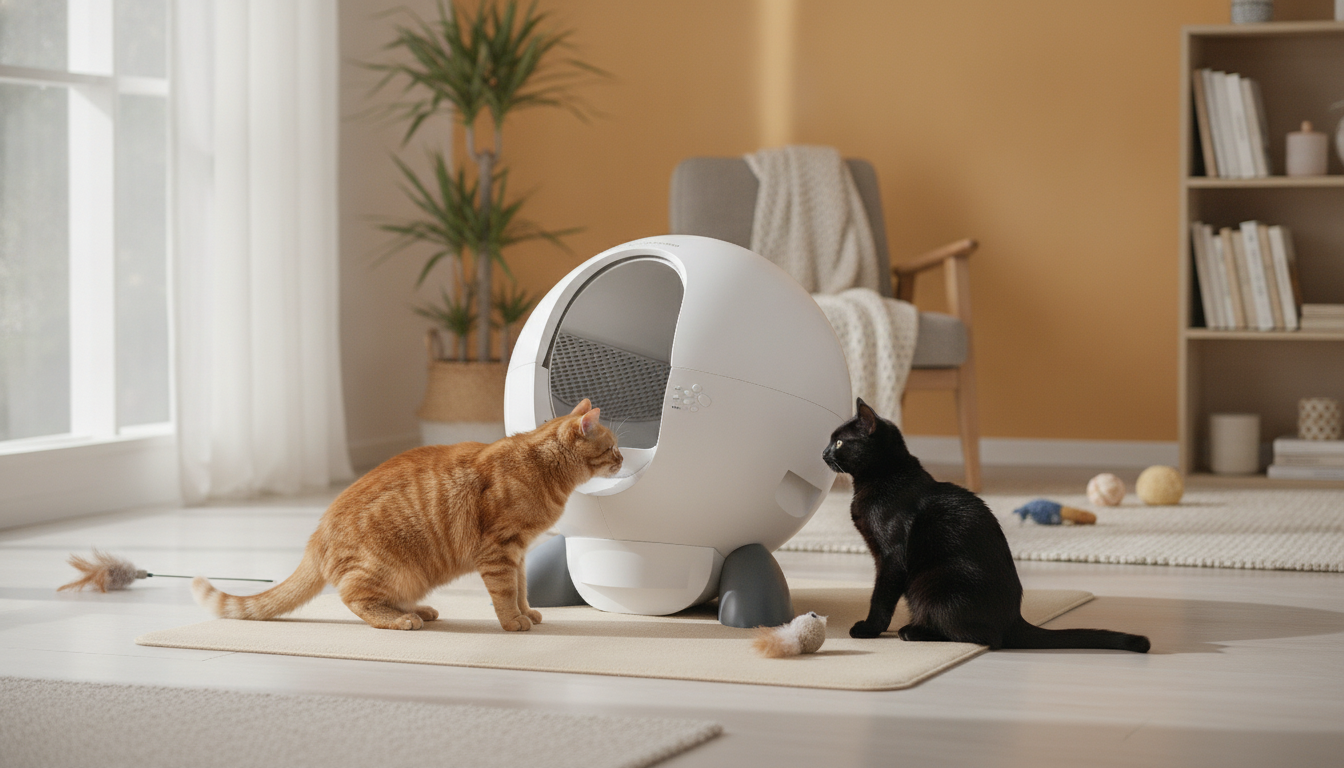
Smart, Enclosed Self-Cleaning Litter Boxes: A Practical Upgrade for Multi-Cat Homes
A busy multi-cat household needs a litter setup that stays clean, controls odor, and reduces daily scooping. A smart, self-cleaning, enclosed litter box can help keep routines consistent, especially when several cats share the same space and litter habits vary. The goal isn’t to eliminate maintenance—it’s to make cleanliness more automatic, more predictable, and easier to manage day after day.
What a smart, enclosed self-cleaning box changes day to day
When multiple cats use the same box, the biggest challenge is how quickly conditions change. A smart, automatic system focuses on keeping the litter surface usable more of the time—without needing someone to scoop every visit.
- Reduces the time waste sits in the box by cycling after use, which can improve day-to-day freshness.
- Helps keep floors cleaner by containing scatter and tracking around a closed entry.
- Cuts down on lingering odor with an enclosed design and sealed waste storage.
- Supports steadier routines for cats that prefer a consistently clean surface.
- Lowers hands-on scooping, while still requiring regular checks, liner changes, and cleaning.
If your household already runs on schedules (work, school, travel), automation can keep the litter situation from becoming the one chore that snowballs when life gets busy.
Why multi-cat homes need different features than single-cat setups
More cats means more visits, more clumps, and faster odor buildup. In multi-cat homes, the “nice to have” features become the features that determine whether the box stays usable.
Multi-cat considerations and what to look for
| Household need | What to prioritize | Why it helps |
|---|---|---|
| Frequent use | Reliable automatic cleaning cycle + adequate waste bin | Prevents buildup and reduces odor between cleanings |
| Odor control | Enclosed body + sealed waste compartment (and compatible deodorizing options) | Limits smell spread in open living areas |
| Mess reduction | High sides/closed entry + stable base | Contains scatter and reduces tracking |
| Cat comfort | Roomy interior + low-stress entry + quiet operation | Improves adoption and reduces litter avoidance |
| Easy upkeep | Simple disassembly + smooth interior surfaces | Faster deep-cleaning and fewer stuck residues |
Multi-cat dynamics matter, too. When a box gets dirty fast, some cats “hold it,” some look for alternatives, and others may block access. Organizations like the ASPCA note that litter box problems can stem from cleanliness, location, and stress—issues that are amplified when multiple cats share the same resources.
Safety and comfort checks before switching
A self-cleaning box should feel safer—not more intimidating. Before making the switch, set your cats up for a calm first impression.
- Place the box in a calm, familiar location; avoid high-traffic or noisy spots.
- Introduce gradually: keep the old box available during the transition period.
- Confirm the enclosure has safe sensing/anti-pinch behavior and won’t cycle while a cat is inside.
- Choose a litter that is compatible with automatic mechanisms (clumping is often preferred; avoid overly dusty options).
- Watch for signs of stress: hesitating to enter, eliminating outside the box, or guarding behaviors.
If house soiling shows up suddenly—especially in an older cat—rule out medical causes and consult a veterinarian. The Cornell Feline Health Center highlights that medical issues and stressors can contribute, so it’s important not to assume the box alone is the problem.
Setup that prevents odor, tracking, and maintenance headaches
Even the smartest box benefits from a smart setup. Small choices—like where it sits and how you handle waste—make a noticeable difference in how the room smells and how much litter ends up on your floors.
- Use a washable litter mat at the exit to catch granules and reduce tracking.
- Keep the area ventilated but not drafty; airflow helps odor without making cats feel exposed.
- Empty and replace waste liners on a predictable schedule so the bin never overfills.
- Wipe sensors and interior contact points during routine maintenance to avoid misreads.
- Deep-clean the unit regularly (frequency increases with more cats) and fully dry before refilling litter.
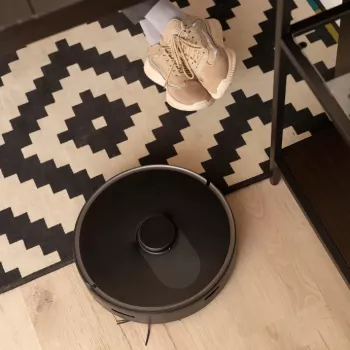
In apartments or open-concept homes, pairing a closed litter setup with consistent floor cleanup can be a game-changer. If tracking is a persistent issue, a strong secondary helper is keeping surrounding floors tidy with an automated cleaner.
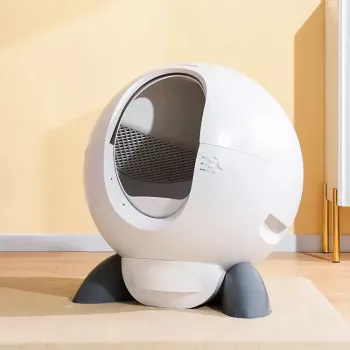
Smart Self-Cleaning Automatic Closed Cat Litter Box for Multi-Cat Homes: highlight features to evaluate
When comparing models, focus on how the box behaves in real life with multiple cats—not just the headline features.
If you’re ready to upgrade, this option is available here: Smart Self-Cleaning Automatic Closed Cat Litter Box for Multi-Cat Homes. For homes where litter tracking and fur tumbleweeds are part of daily life, consider a complementary cleanup helper like the Smart Home Robot Vacuum Cleaner with Mop & Automatic Dust Collection to keep the surrounding area consistently presentable.
A simple routine for multi-cat success
FAQ
How many litter boxes are needed for two or more cats?
A common guideline is one litter box per cat, plus one extra. Some homes can manage with fewer if the boxes are kept exceptionally clean and the cats share well, but behavior and cleanliness should guide the final setup.
Will an enclosed, automatic litter box help with odor in an apartment?
It can help by containing smells and removing waste more quickly after use. Odor control still depends on regular waste-bin emptying, compatible litter, reasonable ventilation, and routine cleaning of the unit.
How long does it take cats to get used to a self-cleaning litter box?
Many cats adjust in a few days, but some need a couple of weeks. A gradual transition (keeping the old box temporarily) and avoiding cycles while a noise-sensitive cat is nearby can make adaptation smoother.













Leave a comment