Cordless Sonar Pool Robot: Better Coverage, Less Hassle
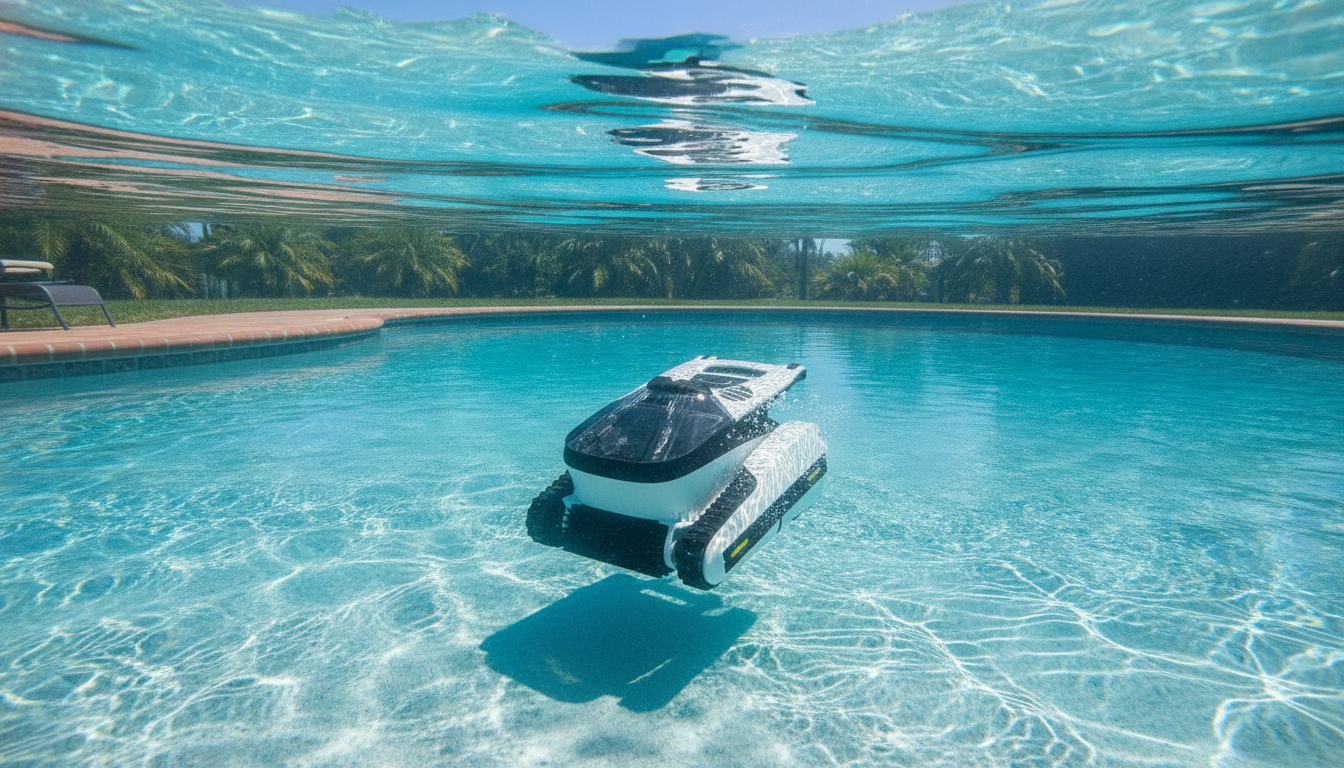
Cordless Robotic Pool Cleaning with Sonar Path Planning: What to Expect and How to Use It
A cordless robotic pool vacuum with sonar-based navigation is built to clean with fewer missed spots and less daily hassle—especially in larger pools where random patterns waste battery. Sonar path planning helps the robot “understand” where it has been, where boundaries are, and how to route around common pool features. Below is what changes with sonar-guided coverage, what “long-lasting” typically looks like in real-world use, and how to set up routines that keep floors and walls consistently clear.
Why sonar path planning changes pool cleaning
Sonar path planning uses acoustic sensing to estimate distance to walls and obstacles, helping the cleaner build a working sense of the pool’s shape. Instead of bouncing around until the battery runs down, the robot can follow a more deliberate pattern that reduces overlap and skipped lanes—two of the most common reasons random-navigation cleaners leave visible trails of dust behind.
Systematic pathing typically completes coverage sooner on the same battery because it minimizes repeated passes over already-cleaned areas. That efficiency matters most in medium-to-large pools where a cordless unit has a fixed energy budget per cycle.
In day-to-day use, sonar navigation can handle many normal features: steps, main drains, return jets, ladders/handrails, and curved walls. It’s still smart to do a quick pre-check for loose objects (toys, thermometers, floating hoses, hair ties) that can snag an intake or interrupt traction.
Cordless convenience: fewer setup steps, fewer snag points
The most noticeable benefit of cordless operation is simple: no floating cable to tangle, twist, or drag across corners. That also reduces “manual babysitting,” because cable management is often what forces mid-cycle repositioning.
Prep is straightforward: fully charge the unit, empty and rinse the filter basket, confirm the housing is sealed/locked, and lower the robot into the water slowly so it can purge trapped air. Once submerged, most units gain traction faster and track their route more consistently.
For retrieval, use the handle when it’s accessible, avoid yanking on any external accessories, and let the cleaner drain at the waterline before carrying it across the deck. Between cycles, store it shaded and dry to protect battery longevity and reduce sun-related wear on plastics and seals.
Cordless pool robot quick setup checklist
| Step | What to do | Why it matters |
|---|---|---|
| Charge | Top off the battery before long cycles | Full power helps maintain consistent suction and coverage |
| Filter check | Empty and rinse the basket/filter | Improves water flow and reduces strain on the motor |
| Pool prep | Remove large debris and toys | Prevents clogs and helps the robot stay on route |
| Placement | Lower the robot slowly into the water | Reduces trapped air and improves traction |
| Post-clean | Rinse filters and inspect intake | Keeps performance steady over time |
Long-lasting performance: what influences runtime and results
Coverage and cleaning modes: floor, walls, and waterline expectations
Traction varies by surface: vinyl liners can be more sensitive to aggressive brushes, fiberglass is typically smooth, and plaster may be rougher and more demanding on drive components. Keeping balanced chemistry supports easier cleaning and helps prevent buildup; for chemical safety and handling basics, see the CDC’s pool chemical safety guidance.
Maintenance that keeps suction strong
When a cordless sonar-navigating robot is the right fit
It also shines in pools with mixed geometry—curves, benches, multiple depth transitions—because mapping reduces repeated passes around obstacles. Keep in mind that robotic cleaning complements (not replaces) proper filtration, brushing as needed, and routine chemistry checks. For broader safety considerations around pools and spas, review the U.S. Consumer Product Safety Commission pool and spa safety resources.
Who benefits most
| Pool/owner scenario | Why it fits | Suggested routine |
|---|---|---|
| Large pool with frequent dust and fine debris | Systematic routes reduce missed spots and wasted runtime | 2–3 runs per week, filter rinse after each |
| Leafy yard, storm debris | Robot helps keep floors clear between skimming sessions | Short run, empty filter, then a full run |
| Curved pool with steps/benches | Sonar-assisted navigation improves coverage around obstacles | Full-coverage run weekly plus spot runs as needed |
Product spotlight: Intelligent Robotic Pool Vacuum (Cordless) with Sonar Path Planning
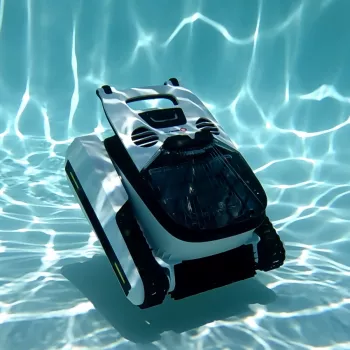
If you want the combination of easier handling (no cable) and more deliberate routing, consider the Intelligent Robotic Pool Vacuum Cordless, Long-lasting, with Sonar Path Planning. The main value is fewer wasted passes and a cleaner-looking finish with less day-to-day effort.
At-a-glance details
| Item | Details |
|---|---|
| Product | Intelligent Robotic Pool Vacuum Cordless, Long-lasting, with Sonar Path Planning |
| Price | 1536.99 USD |
| Availability | In stock |
Related smart cleaning option for the rest of the home
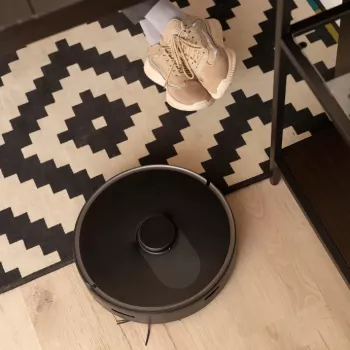
For keeping indoor floors just as hands-off, the Smart Home Robot Vacuum Cleaner with Mop & Automatic Dust Collection is a complementary approach—especially useful when pool days track in grit and dust that shows up quickly on hard flooring.
FAQ
Does sonar navigation mean it will never miss spots?
Sonar path planning typically reduces randomness and improves coverage efficiency, but it can still miss areas depending on pool geometry, traction, debris load, and how clean the filter is. If corners or steps look dusty, run another targeted cycle after rinsing the basket.
How often should the filter basket be cleaned?
Rinse it after every run to keep suction and flow strong. In heavy debris conditions, empty it mid-cycle if you notice reduced movement or weaker pickup, and do a weekly inspection for fine buildup plus quick brush/roller checks.
Is a cordless pool robot safe to leave in the pool all the time?
It’s better to remove it after each cycle to extend battery life, protect seals, and reduce continuous exposure to pool chemicals. Once drained, store it in a shaded, dry spot between cleanings.














Leave a comment