3D Massage Chair with Thai Stretch & Zero Gravity Guide
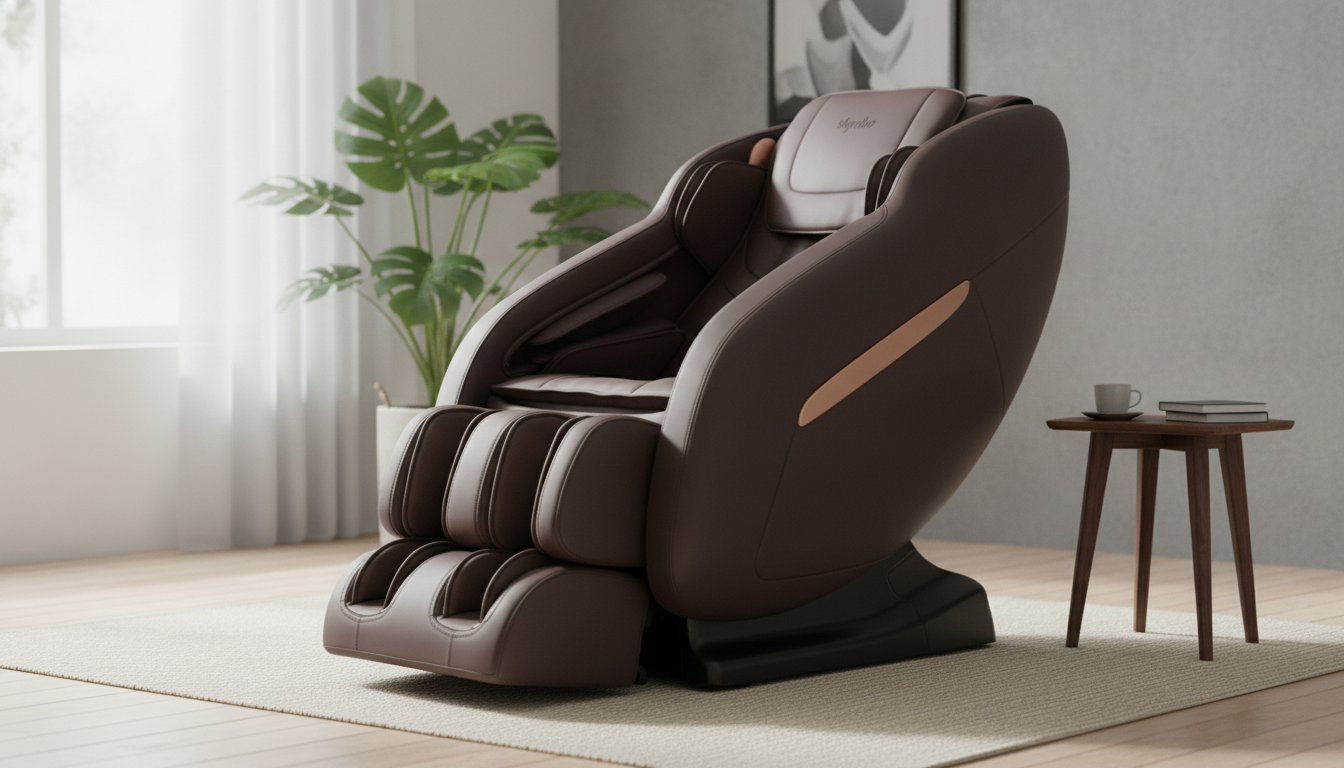
Full Body 3D Massage Chair with Thai Stretch & Zero Gravity: What It Does and Who It Fits
A 3D massage chair that combines Thai-style stretching with a zero gravity recline is built to do two things at once: deliver more targeted, adjustable pressure and place the body in a low-tension position that’s easier to relax into. The result can feel closer to a customized session—especially when different people in the same home want different intensity levels. Below is a practical breakdown of how the main functions work, what daily use feels like, and how to decide if this style of chair matches your routine.
Why 3D Massage Feels Different Than Basic Roller Massage
Traditional roller chairs often rely on a relatively fixed “push” against the back, with adjustments mostly limited to speed and massage pattern. A 3D system adds depth control—meaning the rollers can move in and out to change how firmly they press into muscle.
- Depth + speed + width control: You can keep sessions light for relaxing evenings, then dial up depth for tighter areas after training or long desk days.
- Better fit across body types: Depth adjustments help avoid the “too soft for one person, too intense for another” problem in shared households.
- More varied sensations: Common modes include kneading, tapping, rolling, and compression-style sequences that can be combined into programs.
- Easy switching between moods: A well-designed interface makes it quick to go from a gentle wind-down to a more focused recovery session.
For a general overview of massage benefits and common use cases, see the Mayo Clinic’s massage therapy overview.
Thai Stretch: What It’s Doing During a Session
Thai-style stretching in a massage chair usually isn’t “stretching” in the gym sense—it’s a guided sequence that uses coordinated positioning (often through the legs, feet, and sometimes shoulder support) along with controlled pulling or extension. The goal is to reduce the feeling of stiffness and help the body feel less compressed.
- Where it tends to be most noticeable: hips, hamstrings, lower back, and shoulders—common tight spots from sitting and driving.
- Start light and short: Stretch routines can feel surprisingly strong if flexibility is limited or if you’re new to assisted stretching.
- Great pairing for a “loosen then relax” routine: Many users prefer a brief warm-up (gentle kneading and/or heat), then a stretch sequence, followed by slower rollers to settle down.
If you’re comparing massage approaches and safety considerations, the NCCIH guide to massage therapy offers a helpful, evidence-based baseline.
Zero Gravity Recline: Comfort and Pressure Distribution
“Zero gravity” positions are inspired by the posture used to reduce load on the body—typically with the legs elevated and the torso reclined so weight distributes more evenly. In a massage chair, that shift can change how the rollers feel and how long you comfortably stay in one program.
- Fewer pressure points: By spreading weight more evenly, many people feel less “pinching” in common contact areas.
- More consistent back contact: A deeper recline can reduce the instinct to brace, helping the rollers maintain steadier pressure.
- Better for longer sessions: The reclined posture often feels less compressive than sitting upright for 15–20 minutes.
- Helpful for multiple users: Quick-access recline presets reduce daily setup friction—especially in busy households.
Feature Snapshot: How the Main Functions Translate to Daily Use
When features are described well, they read like a spec sheet. What matters most is how they show up on an average Tuesday night: how quickly you can get comfortable, how adjustable the intensity feels, and whether the programs are distinct enough to be useful.
How Key Modes Map to Common Goals
| Mode/Feature | Best For | Typical Feel | Tips to Get More Out of It |
|---|---|---|---|
| 3D Deep-Knead | Tight upper back and lower back | Focused pressure that can feel intense | Begin at low depth; increase gradually over several sessions |
| Thai Stretch Program | Stiff hips/hamstrings and “compressed” posture | Slow extension and pulling sensations | Use after light kneading or heat; stop if sharp discomfort occurs |
| Zero Gravity Recline | Longer relaxation sessions | More body support, less bracing | Pair with slower rollers and lower intensity for 15–20 minutes |
| Air Compression (if included) | Leg fatigue, general circulation comfort | Rhythmic squeezing | Keep pressure moderate for first-time users to avoid soreness |
Fit, Space, and Setup Considerations Before Ordering
Who This Style of Chair Typically Works Best For
Product Picks Available Now
- Full Body 3D Massage Chair with Thai Stretch & Zero Gravity
- Smart Home Robot Vacuum Cleaner with Mop & Automatic Dust Collection (a helpful add-on if you’re turning a corner of the home into a low-maintenance relaxation area)
- Multi-Function Electric Waffle & Hot Pot Cooker with Steamer (great for easy, at-home comfort nights that pair well with recovery routines)
Care, Safety, and Comfort Tips for Better Sessions
FAQ
Is a Thai stretch program safe for beginners?
Generally yes when started gently: use the lowest intensity and shorter sessions, and avoid forcing range of motion. Stop if there is sharp pain, and consider medical advice if there are known joint, spine, or disc issues.
What does zero gravity feel like during a massage?
It feels more reclined and supported, with less sensation of body weight pressing down. Many people find it easier to relax into the rollers, especially during longer sessions.
How often can a full body 3D massage chair be used?
Many users are comfortable using it several times per week or even daily at moderate intensity. For stronger deep-tissue settings or stretch routines, start with fewer sessions and adjust based on soreness and overall comfort.










Leave a comment