Calm Homework Nights: Printable Routines for Kids
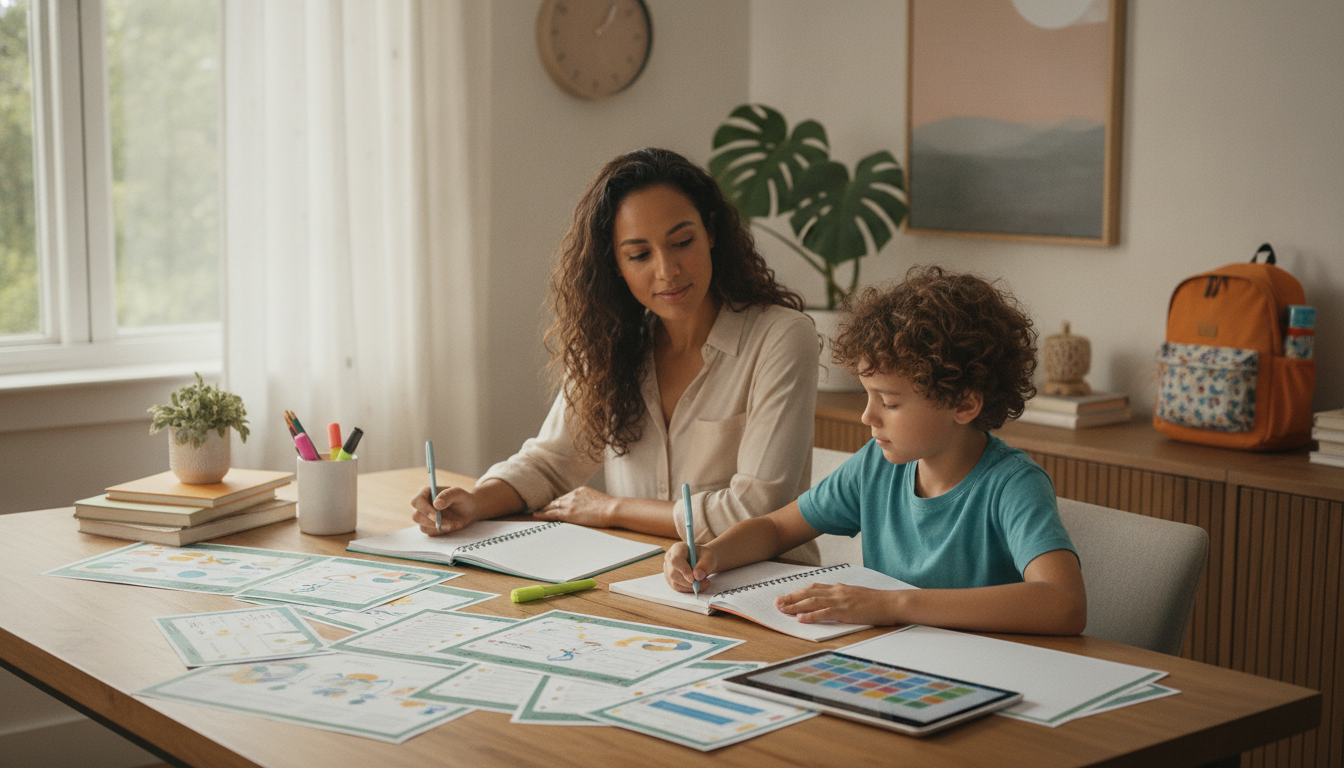
Homework Help Made Easy: A Printable Toolkit That Brings Calm to School Nights
Homework time can feel like a daily power struggle—especially when kids are tired, distracted, or unsure where to start. A simple, consistent system helps children build routines, manage time, and learn to work independently. The Homework Help Made Easy Toolkit for Parents – Printable Guide for Creating Study Habits, Homework Strategies & Independent Learning is designed to make homework support clearer for parents and more doable for students, with practical strategies that fit real evenings.
What This Printable Toolkit Helps Families Do
- Turn vague “go do your homework” moments into a clear, repeatable routine
- Reduce reminders by using visual checklists and step-by-step expectations
- Support executive-function skills: planning, prioritizing, and finishing tasks
- Encourage independence while keeping adults available for targeted help
- Create calmer homework sessions with fewer arguments and resets
Many kids benefit from a predictable sequence and a visible “what’s next.” The goal isn’t perfect homework—it’s a steady process that makes starting, sticking with it, and finishing less stressful.
Set Up a Homework Space That Works (Without a Full Room Makeover)
A functional homework setup doesn’t require a dedicated office. It does require consistency and fewer friction points.
- Choose a consistent spot: same place, same start time when possible
- Keep supplies within reach: pencils, charger, calculator, paper, headphones (if allowed)
- Limit distractions: silence non-essential notifications; keep toys out of reach during work blocks
- Use a “parking pad” for materials: backpack, folders, library books, and forms go in one basket
- Make expectations visible: post the routine checklist where homework happens
Quick Homework Setup Checklist
| Area | What to Prepare | Why It Helps |
|---|---|---|
| Lighting + seating | Comfortable chair, good light, flat surface | Reduces fatigue and fidgeting |
| Supplies | Pencils, eraser, paper, device + charger | Prevents constant getting up |
| Timing | Start time + short breaks | Builds consistency and stamina |
| Distraction plan | Phone out of reach or on focus mode | Protects attention during work blocks |
| Finish routine | Pack-up checklist + tomorrow preview | Cuts down on missed assignments |
If the dining table doubles as the homework spot, comfort matters more than people expect. A quick reference like the How to Pick Dining Chairs Checklist (for setting up a comfortable study seat) can help you evaluate seating height, back support, and overall fit—small details that can reduce slouching, squirming, and “I can’t focus” complaints.
A Simple Homework Routine Kids Can Follow
A routine should be short enough to remember and structured enough to repeat. Aim for a rhythm that becomes automatic.
- Start with a 2-minute reset: snack/water, bathroom, clear the workspace
- Preview assignments: list tasks and estimate time for each one
- Choose the first task strategically: start with a quick win or the hardest task (depending on the child’s motivation)
- Work in short blocks: 10–20 minutes for younger kids, 20–30 minutes for older students
- End with a finish check: confirm directions were followed, name is on the page, and items are packed
For added consistency, match the routine to real energy levels. If evenings are melting down due to fatigue, revisit sleep basics (the CDC’s child sleep guidance is a helpful reference: How much sleep children need).
Homework Strategies That Build Independence (Without Doing It for Them)
Support can be strong without taking over. The most helpful role is often “coach,” not “co-worker.”
- Use “ask 3, then me”: directions, notes, and a class resource before asking a parent
- Prompt with questions instead of answers: “What does the problem ask?” “Where could you find that?”
- Teach a one-sentence plan: “First I will…, then I will…, last I will…”
- Create a help signal: a sticky note or card that means “I’m stuck, but I’m still trying”
- Fade support gradually: start nearby, then check in every 5–10 minutes, then only at the end
If you want evidence-based ideas to reinforce learning (not just finish assignments), Edutopia’s study skills hub is a practical starting point: Research-backed study and learning strategies.
When Homework Turns Into Tears or Avoidance
Refusal is often a signal, not a character flaw. Look for the “why” underneath the behavior.
When emotions run high, keep your language simple and steady. The American Psychological Association offers additional guidance for helping kids and teens build homework and study habits: APA homework tips.
Printable Pages to Use Throughout the Week
For families who want an organized set in one place, the Homework Help Made Easy Toolkit for Parents – Printable Guide for Creating Study Habits, Homework Strategies & Independent Learning brings these pages together so you can start quickly and keep the system consistent week to week.
Getting Started in 15 Minutes
If household mess is adding stress during the after-school rush, automating one chore can free up attention for homework coaching. The Smart Home Robot Vacuum Cleaner with Mop & Automatic Dust Collection can help reduce daily floor cleanup so evenings feel less chaotic.
FAQ
What age range does this homework toolkit work for?
This structure works well for elementary through early high school; you’ll mainly adjust time blocks, the amount of parent check-ins, and how detailed the planning pages need to be. Younger kids may need shorter work sessions and more visuals, while older students can handle longer blocks and more independent tracking.
How can parents help without doing the homework?
Use coaching prompts (“What is the question asking?” “Which example looks similar?”), check directions or rubrics together, and set a clear boundary like “I can explain it, but you write it.” The goal is to support understanding while keeping the student responsible for the work.
What if a child refuses to start homework?
Start with a micro-start (3 minutes), offer a choice of which assignment to tackle first, and use timed work blocks with a short, calm break routine. If the same type of assignment repeatedly triggers refusal, share specific examples with the teacher to identify skill gaps or unclear expectations.















Leave a comment