Self-Empty Robot Vacuum Mop: Setup & Maintenance Tips
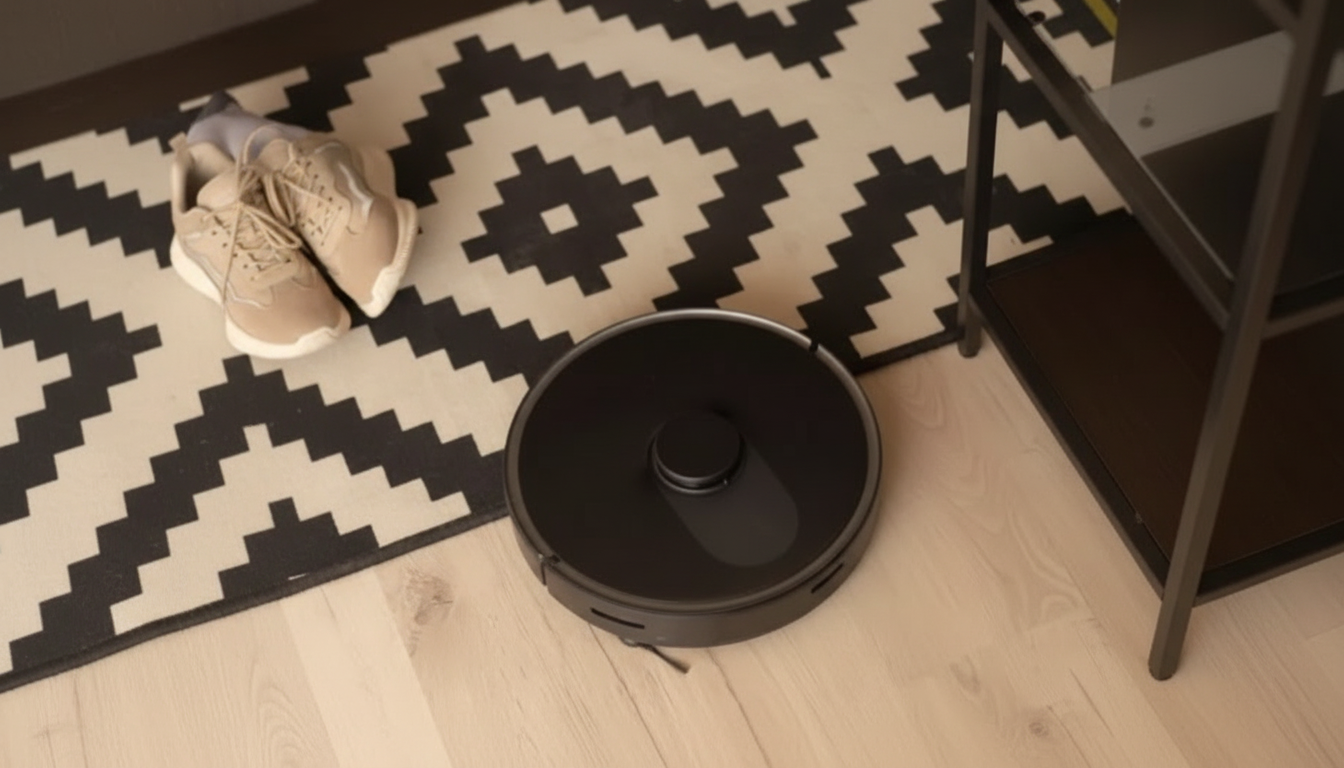
Smart Home Robot Vacuum Cleaner with Mop & Automatic Dust Collection
A robot vacuum that vacuums, mops, and empties itself can turn daily floor care into a mostly hands-off routine. This guide breaks down what to expect from a smart home robot vacuum cleaner with mop and automatic dust collection, how to set it up for reliable cleaning, and how to keep performance strong over time—especially in homes with pets, mixed flooring, and busy schedules.
What makes it “hands-off” cleaning
The “hands-off” part comes from a few practical upgrades that reduce daily decision-making and mess. Automatic dust collection lets the robot empty its onboard bin into a dock, so you aren’t dumping debris after every run. A combined vacuum + mop design supports everyday dust pickup and light mopping for footprints, kitchen crumbs, and entryway grit. Smart home controls add scheduling (for example, a quick kitchen run in the morning and living room in the evening), remote starts, and status checks so cleaning keeps happening even when life gets busy.
For most homes, the biggest win is consistency: short, frequent cleanings in high-traffic rooms usually look better than occasional “deep clean” marathons—especially if you have pets or kids.
Core features to look for in vacuum-mop robots with a self-empty dock
Not all vacuum-mop robots perform the same in real homes. Before choosing one, focus on the features that make daily reliability easier.
- Navigation and mapping: Room mapping should be stable and repeatable, with obstacle detection that handles cables, shoes, chair legs, and tight transitions.
- Suction and airflow: Strong pickup helps on carpet edges and textured rugs, and steady airflow supports fine-dust collection.
- Mopping system: Controlled water output and consistent pad contact matter more than “more water.” These systems are best for maintenance mops—not heavy scrubbing.
- Dock performance: The dock’s seal and airflow influence how completely debris transfers out of the robot’s bin.
- Filters and allergen control: A well-sealed dust path plus quality filtration can reduce how much fine dust gets re-circulated indoors (see the EPA’s indoor air quality guidance at epa.gov).
- Battery and recharge-resume: In larger homes, it’s helpful when the robot can recharge mid-job and continue where it left off.
Quick feature check for daily-use reliability
| Feature area | What to verify | Why it matters day to day |
|---|---|---|
| Mapping & coverage | Room-level mapping, repeatable routes, no-go zones | Cuts missed spots and reduces random bumping |
| Auto dust collection | Strong transfer from bin to dock; easy-to-replace bag/bin | Fewer messy empty-outs and better long-term consistency |
| Mopping control | Adjustable water flow; washable pad | Prevents over-wetting and supports quick maintenance mops |
| App & scheduling | Timed routines, per-room selection, cleaning history | Makes cleaning automatic instead of a constant decision |
| Maintenance access | Brush removal, filter access, clear clogs | Faster upkeep means performance stays high |
Setup that improves results on day one
A smart robot can still struggle if the dock is cramped or the first map is messy. A few setup habits make day-one performance noticeably better.
- Place the dock with breathing room: Leave open space so the robot can approach straight, align correctly, and self-empty without repeated retries.
- Do a first mapping run with clear floors: Pick up cords, socks, small toys, and loose pet items to avoid “map artifacts” and accidental no-go areas.
- Create zones and schedules: Kitchens and entryways may need daily runs; bedrooms can be less frequent. Add quiet hours if the dock is near sleeping areas.
- Use no-go zones strategically: Block off pet bowls, charging cables, and fringe rugs to prevent tangles and wet-pad drag-through.
- Calibrate mopping to your floors: Use lighter water flow on wood/laminate and focus mopping on sealed hard floors. Avoid saturating edges and transitions.
For routine hygiene expectations, the CDC’s household cleaning guidance is a solid reference: cdc.gov.
How automatic dust collection changes maintenance
A self-empty dock doesn’t remove maintenance—it changes it from frequent messy bin-dumps to quick, predictable check-ins.
Real-world performance tips for common homes
For additional energy-related consumer guidance, ENERGY STAR’s resources are helpful: energystar.gov.
When a vacuum-mop robot with a self-empty dock is the right fit
Product spotlight
If the goal is to reduce day-to-day effort, the Smart Home Robot Vacuum Cleaner with Mop & Automatic Dust Collection is designed to automate routine vacuuming and light mopping while minimizing manual bin emptying through an automatic dust collection dock. It performs best with schedules, room-based runs, and quick weekly maintenance to keep suction and mopping consistent.
For a simple add-on that complements a “hands-off home” routine in a different room, the Multi-Function Electric Waffle & Hot Pot Cooker with Steamer can streamline quick meals and small-batch cooking when you’re trying to keep both floors and kitchen workflow under control.
FAQ
How often does the dock need to be emptied or changed?
It depends on home size, pets, and how much debris your floors collect. Check it regularly for the first couple of weeks to learn your fill rate; many households settle into a routine of changing/emptying the dock every few weeks, sooner with heavy pet hair.
Can it vacuum and mop in the same run?
Many vacuum-mop robots can do a combined run, which is convenient for maintenance cleaning on sealed hard floors. For best results, use lower water flow on wood/laminate and avoid mopping over carpets or rugs by using no-mop zones or room-based routines.
Is a self-empty robot vacuum worth it for pet hair?
Yes for many pet homes, because self-emptying supports more frequent schedules without constant bin dumping. You’ll still want to remove hair from the brush regularly, since wrapped hair can reduce pickup even when the dock empties the bin reliably.















Leave a comment