Round Minimalist Coffee Table: Layout, Size, Style Tips
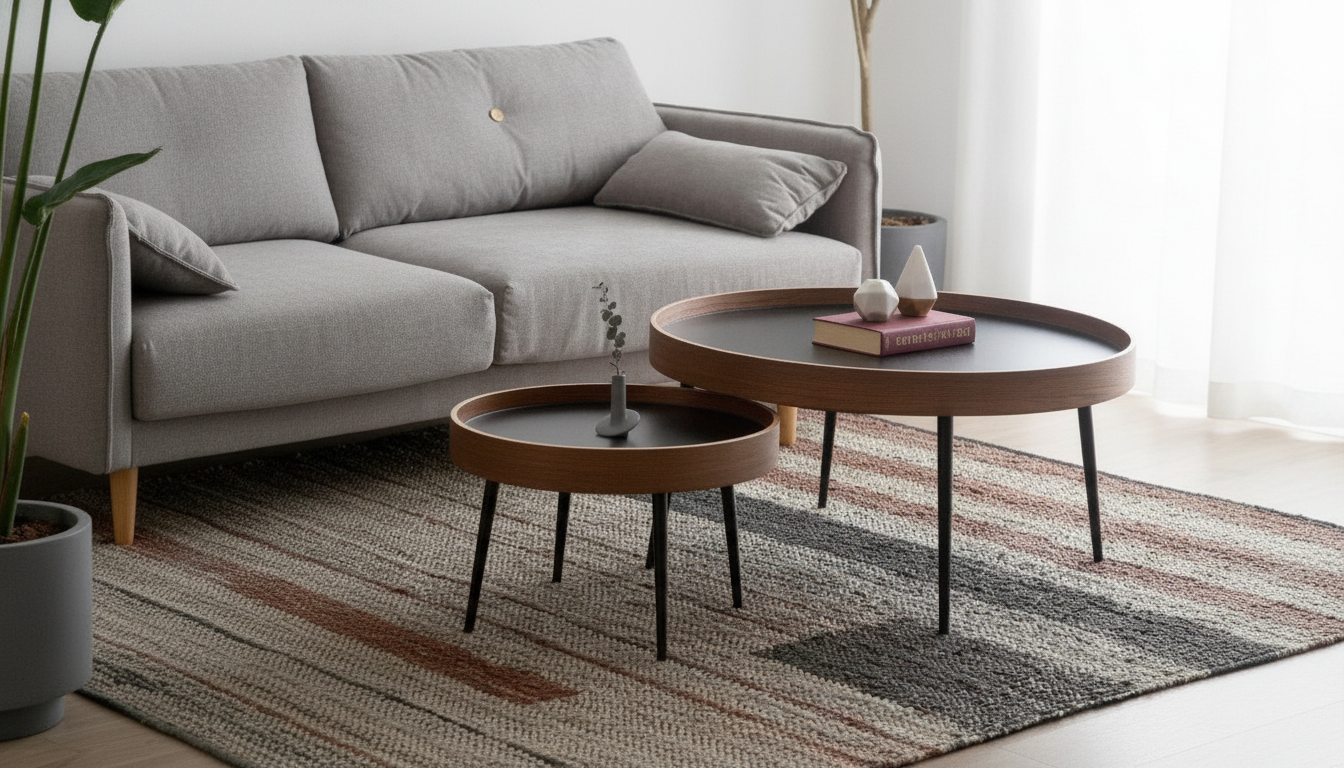
Modern Minimalist Round Coffee Table: A Calm Centerpiece for Everyday Living
A round coffee table softens the lines of a living room, keeps traffic flow easy, and creates a natural gathering point for books, drinks, and décor. This modern minimalist round coffee table pairs clean geometry with a warm, contemporary look—ideal for compact seating areas or open-plan spaces that need a grounded focal point. For more guidance, see Contemporary Round Coffee Table – 39.
Why a Round Minimalist Table Works So Well
Round tables have a quiet advantage: they make a room feel easier to live in. Without corners to dodge, the layout becomes more forgiving—especially in homes where people are constantly moving between the sofa, a hallway, and adjacent rooms. For further reading, see Minimalist Expanding Coffee Table – Aesthetics of Design.
- Gentle shape that reduces sharp corners in high-traffic living rooms
- Visually light profile that complements modern, Scandinavian, and Japandi interiors
- Easier movement around sofas and sectionals, especially in tighter layouts
- Balanced look that pairs well with curved lounge chairs and modular seating
Design pros often recommend prioritizing circulation first, then choosing a table that supports it—an approach echoed in layout guidance from Architectural Digest.
Design Details That Define the Look
Minimalism doesn’t mean stark; it means intentional. The appeal of a modern round coffee table is how it reads as a single, calm form—present enough to anchor the seating, but not visually busy.
- Round silhouette that reads calm and intentional rather than bulky
- Minimalist base and clean lines that keep the focus on proportion
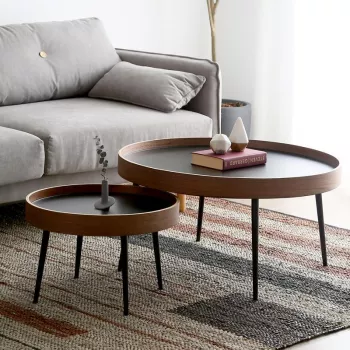
- Wood-and-black contrast (as shown in the product image) that layers easily with neutral rugs, linen upholstery, and matte ceramics
- Nest-ready styling (works well with a companion side table or smaller nesting piece if added later)
That wood-and-black pairing is especially adaptable: it can lean warm with cream textiles and oak tones, or feel crisp against charcoal upholstery and black metal accents.
Sizing and Spacing Guide for a Comfortable Layout
The most beautiful coffee table won’t feel right if it’s awkward to reach or interrupts the walking path. A few spacing rules keep the setup practical day to day.
- Aim for 14–18 inches between the table edge and seating for easy reach and leg room
- A round top is forgiving in awkward rooms because it avoids corner collisions
- For sectionals, center the table on the main seating face; keep pathways open to adjacent rooms
- In small apartments, choose a size that allows a clear walking loop rather than maximizing diameter
Quick spacing rules for round coffee tables
| Room / Seating Setup | Recommended Clearance | Practical Tip |
|---|---|---|
| Standard sofa (2–3 seats) | 14–18 in from sofa to table | Keep the table centered with the sofa’s seat cushions |
| Sectional sofa | 14–18 in on main seating side | Prioritize the main approach path to the chaise |
| Small living room | 18–24 in walkway around the table (where possible) | Choose a slightly smaller diameter to preserve flow |
| Open-plan living area | Maintain clear paths between zones | Use a rug to visually anchor the table and seating |
For more general sizing guidance, The Spruce also emphasizes measuring reach and clearance before committing to a shape.
Styling Ideas That Keep It Minimal (Not Empty)
A minimalist table looks best when it’s styled like a single “moment,” not a collection. Think in terms of one contained grouping plus open space—so the surface still feels calm and usable.
- Use a simple tray to corral remotes and coasters while keeping the top tidy
- Stack 1–2 large-format books and add a low vase or sculptural object for height variation
- Repeat materials in the room: black accents (frames, lamp base) and warm wood tones (shelves, sideboard)
- Leave negative space—one intentional arrangement reads more modern than many small items
If entertaining is a priority, keep the center mostly clear and style closer to one edge—so there’s still room for drinks, small plates, or a board game without constant rearranging.
Care and Everyday Use
Minimalist furniture tends to highlight the surface—so simple maintenance goes a long way toward keeping it looking fresh.
For homes with busy floors, pairing a streamlined table with low-effort cleaning can help the whole room feel pulled together. Consider a hands-off helper like the Smart Home Robot Vacuum Cleaner with Mop & Automatic Dust Collection to keep dust and crumbs from collecting around the seating zone.
When This Table Is the Right Choice
Product Snapshot
- Modern Minimalist Round Coffee Table
- Price: $911.99 (USD)
- Availability: In stock
For a coordinated home refresh beyond the living room, keep the same minimalist mindset at the dining table with the How to Pick Dining Chairs Checklist | Digital Download Guide. And if hosting is part of the lifestyle, a compact multi-use appliance like the Multi-Function Electric Waffle & Hot Pot Cooker with Steamer can make casual gatherings feel effortless.
FAQ
What size round coffee table works best for a standard sofa?
A good rule is choosing a diameter that feels proportional—often about half to two-thirds of the sofa’s length—while still leaving 14–18 inches of clearance for comfortable reach and leg room.
How far should a coffee table be from the couch?
Most living rooms feel best with about 14–18 inches between the couch and the table. In very small spaces or with deep sofas, adjust slightly to preserve walking flow and ease of use.
How should a minimalist coffee table be styled without looking cluttered?
Keep one contained arrangement—like a tray with coasters, a single large book, and a low object—then leave open space around it. Repeating materials already in the room helps it look intentional rather than busy.










Leave a comment