Quick Home Decor Upgrades + Room-by-Room Checklist
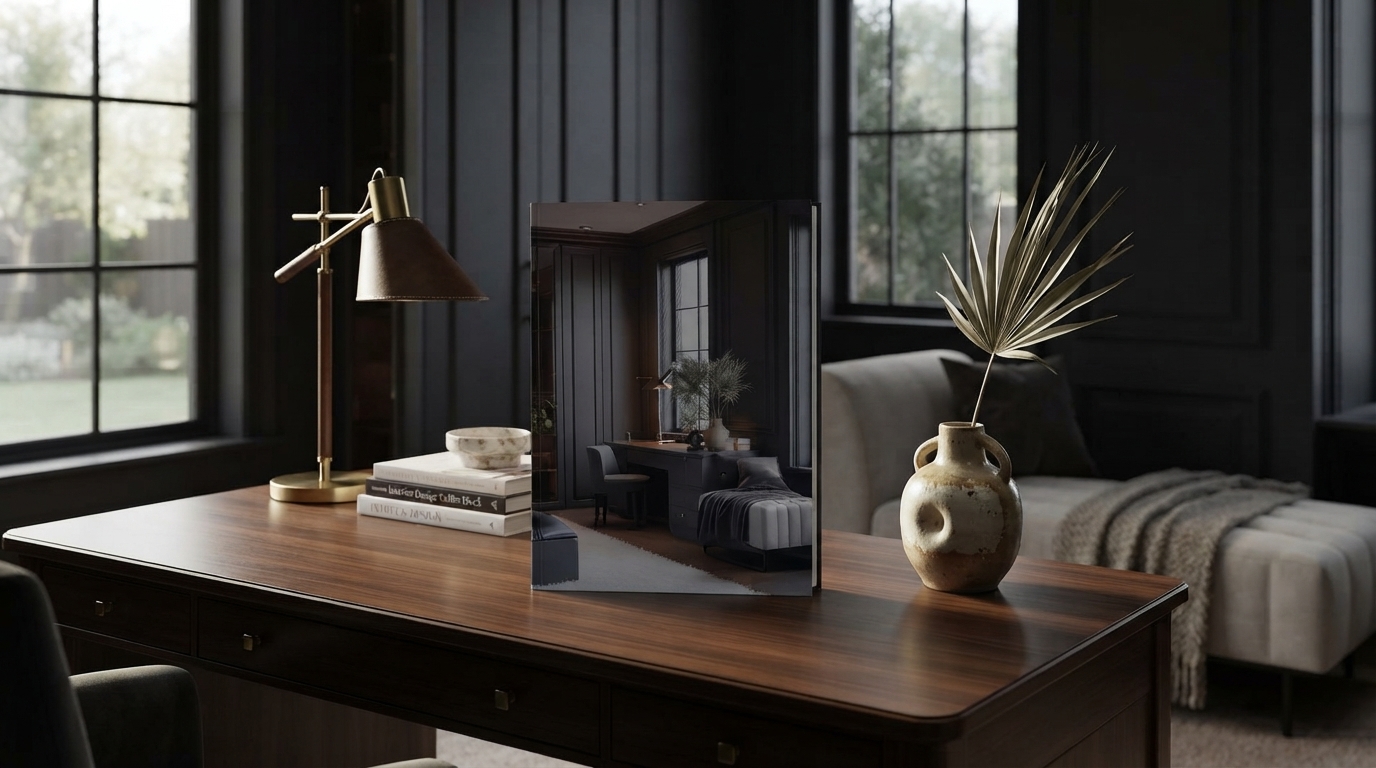
Simple Ideas to Transform Your Space: A Practical Home Decor Guide + Room-by-Room Checklist
Small, focused updates can make a home feel more pulled together without a full renovation. The easiest way to get a space that looks intentional (and works better) is to follow a clear order of operations: decide what stays, what moves, and what gets added. When each change supports the room’s purpose, the results feel calmer, more cohesive, and easier to maintain day to day. For more guidance, see Ai Productivity Tools Guide 2026 – Free PDF Download.
Start With the “Why”: Mood, Function, and Daily Habits
Before moving a single chair, define what “better” actually means for this room. For further reading, see [PDF] Interior Design Spec Sheet.
- Choose 3 words that describe the finished vibe (think: calm, bright, cozy; or modern, warm, minimal). If an item fights those words, it’s a candidate to relocate.
- List the top 3 activities that happen here—relaxing, hosting, working, kids’ play—and note what blocks them (glare, cluttered surfaces, no charging spot, awkward traffic flow).
- Pick one focal point so the room doesn’t compete for attention: a sofa wall, bed wall, fireplace, dining table, or a view.
- Set a boundary: keep what’s useful and loved; relocate what doesn’t match the room’s purpose.
If you like having a simple, step-by-step reference while you work, Simple Ideas to Transform Your Space (digital guide + interior design checklist) keeps decisions in order—layout first, then lighting, then color and styling.
The 10-Minute Reset: Declutter, Edit, and Re-Group
A quick reset removes visual noise and reveals what the room actually needs.
- Clear flat surfaces first (coffee table, nightstand, counters). Empty space instantly reads as “tidy.”
- Group like items together (books with books, candles with candles) and store the rest out of sight.
- Use “one in, one out” for decor objects to avoid slowly re-cluttering the room.
- Create zones: a reading corner, a drop zone by the door, a dedicated work spot—even a small tray can define a zone.
Maintenance matters, too. If floors are a daily battle, a set-it-and-forget-it helper like the Smart Home Robot Vacuum Cleaner with Mop & Automatic Dust Collection can keep high-traffic areas looking fresh between deeper cleans.
Rearrange Before You Buy: Layout Fixes That Cost Nothing
Many “something feels off” rooms are actually layout problems—not shopping problems.
- Float furniture when possible: pulling the sofa off the wall and anchoring it with a rug can create a defined seating area (even in open layouts).
- Check walking paths: aim for clear, comfortable routes between doorways and key zones so the room feels easy to move through.
- Balance visual weight: spread tall pieces and darker items across the room so one side doesn’t feel heavier.
- Try a “swap test”: borrow one item from another room (lamp, art, basket) to see if it solves a styling gap before buying anything new.
Lighting That Changes Everything (Without an Overhaul)
Lighting is the fastest way to make a room feel more expensive, more functional, and more welcoming.
- Use layered lighting: ambient (overhead), task (reading/work), and accent (picture lights, sconces, candles) so the room works at any time of day.
- Go warmer in living areas: bulbs around 2700K–3000K typically read as inviting rather than clinical.
- Add flexible control: plug-in dimmers and smart bulbs make one fixture feel like multiple lighting moods.
- Brighten dark corners: floor lamps or wall-mounted options make rooms feel larger by reducing shadows.
For deeper lighting fundamentals, the International Association of Lighting Designers (Lighting Basics) is a helpful authority on why layered lighting works.
Color and Texture: The Fastest Way to Add Depth
A tight palette and intentional texture can make even budget updates look polished.
If you want visual inspiration for how designers use contrast, texture, and scale, browse Architectural Digest: Interior Design or the practical roundups on HGTV Decorating Ideas.
Room-by-Room Checklist: Quick Wins That Make a Big Impact
One-Weekend Refresh Plan
| Area | Do This First | Add/Swap | Result |
|---|---|---|---|
| Living room | Clear surfaces; re-center furniture | Rug + lamp + 1 large art piece | More cohesive, brighter, better flow |
| Bedroom | Edit nightstand; tidy closet floor | New pillows/throw; bedside lamp | Calmer, more restful feel |
| Entryway | Remove clutter; define landing zone | Mirror + hooks + small tray | More functional, welcoming arrival |
| Dining area | Reposition table; check spacing | Chair cushions or upgraded chairs | More comfortable everyday use |
| Kitchen | Group counter items; wipe down | Runner + tray + small plant | Cleaner look with minimal effort |
When you’re dialing in seating comfort and spacing, How to Pick Dining Chairs Checklist (digital download) helps you avoid common missteps like the wrong seat height, cramped clearance, or chairs that overwhelm the table.
Styling That Looks Intentional (Not Overdone)
Make It Easy to Maintain: Systems That Keep the Look
Use the Digital Guide and Checklist to Keep Decisions Simple
For a streamlined, room-by-room approach you can reuse anytime, Simple Ideas to Transform Your Space | Home Decor Guide, eBook, Interior Design Checklist, Digital Download provides the plan and checklists in one place.
FAQ
What’s the fastest way to make a room look more put together?
Clear flat surfaces first, then improve lighting (add a lamp or warmer bulbs) and choose one larger focal piece like a rug or oversized art. Finish by grouping decor intentionally rather than spreading small items everywhere.
How can a small space feel bigger without remodeling?
Open up pathways, reduce visual clutter with baskets or closed storage, and use layered lighting to eliminate dark corners. A tight color palette and a well-placed mirror can also make the room feel brighter and more spacious.
What should be chosen first: rug, paint, or furniture?
If furniture is staying, start with the rug (or another fixed item like the sofa) to set scale and a color direction. Then choose paint to complement it, and finish with textiles and accents to tie everything together.











Leave a comment