Indoor Charcoal Grill Heating Oven: Brass, Compact, Safe
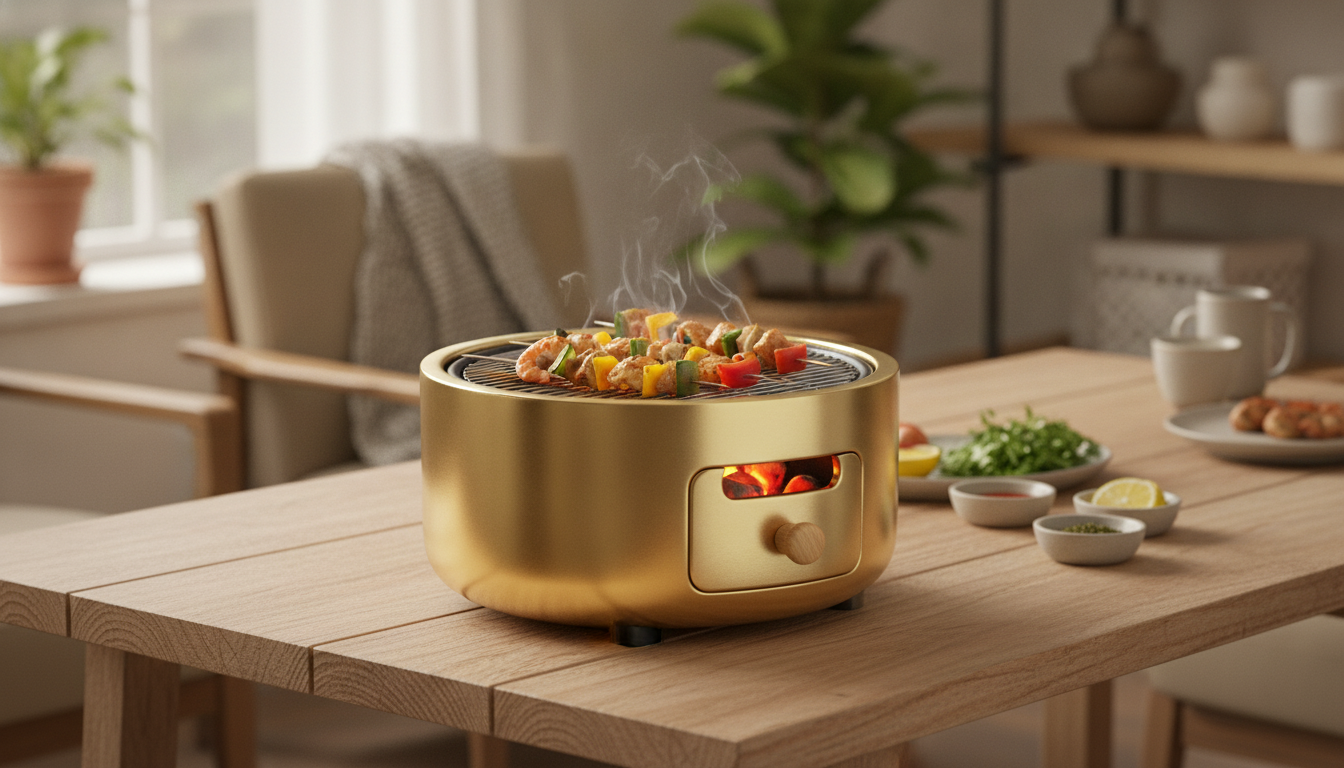
Indoor Charcoal Grill & Heating Oven: Compact Warmth and Tabletop Grilling in a Brass Finish
A compact indoor charcoal grill and heating oven can bring the flavor of charcoal cooking into smaller spaces while also serving as a steady heat source for tabletop meals. The key is choosing a unit designed for controlled heat, setting it up responsibly, and building a repeatable routine that keeps cooking comfortable. Below is a practical guide to what this style of cooker is made for, the safety checks that matter most, and easy ways to get consistent, low-fuss results.
What This Indoor Charcoal Grill & Heating Oven Is Designed to Do
This format is built around two jobs: direct charcoal grilling for fast searing, plus a heating-oven function that helps hold food warm while you finish the next batch. Instead of needing a full-size grill, you get a compact footprint that works on a tabletop or sturdy counter where space is limited.
A brass-finish exterior also makes it feel more like a countertop appliance than a garage-only tool—easy to leave out in a dining nook or on a sideboard between uses (once fully cooled). Because it’s meant for contained charcoal cooking rather than open-flame grilling, the design focus is controlled heat management: steady airflow, contained coals, and a small cooking chamber that responds quickly to adjustments.
It tends to shine with small-batch foods: skewers, thin-sliced meats, seafood, mushrooms, vegetables, and side dishes that benefit from gentle warming while you keep grilling.
Safety-Enhanced Use: What to Verify Before Every Cook
Indoor charcoal cooking requires more planning than plug-in appliances because charcoal combustion consumes oxygen and produces combustion gases. Before lighting anything, confirm these basics every time:
- Ventilation plan: Ensure fresh airflow and never operate in a tightly sealed room. Consider local guidance on indoor combustion safety and review carbon monoxide prevention basics from the CDC.
- Stable placement: Use a heat-resistant, level surface with safe clearance from curtains, paper towels, and other combustibles. The NFPA also emphasizes keeping grilling setups away from anything that can ignite.
- Heat shielding: If your tabletop is sensitive, place a protective mat or tray under the unit.
- Fuel handling: Store charcoal in a dry place; keep starter materials away from heat and sparks.
- Child/pet safety: Establish a clear “no-touch zone” during and after use—metal surfaces can stay hot longer than expected.
- Fire readiness: Have a lid/covering strategy and an appropriate extinguisher nearby. Avoid pouring water on hot coals unless the manufacturer explicitly allows it.
- Carbon monoxide awareness: Use a CO alarm in the home and take indoor air quality seriously; the EPA is a helpful reference point for ventilation and air concerns.
Compact Setup Checklist for Consistent Results
Small charcoal chambers heat up fast and change temperature quickly. A simple routine helps you avoid smoke spikes and over-charring.
- Preheat with intention: Let coals ash over for more even heat and less smoke than freshly lit charcoal.
- Choose consistent charcoal size: Similar-sized pieces reduce temperature swings in a compact fire area.
- Control airflow gradually: Small adjustments go a long way; wait a moment between vent changes to see the effect.
- Use small cuts: Thin slices, skewers, and bite-size vegetables cook quickly and reduce lingering smoke.
- Drip management: If permitted by your unit’s instructions, use a drip tray or a foil approach to reduce flare-ups from rendered fat.
- Resting and warming: Use the heating-oven function to hold cooked items at serving temperature without pushing them into “too charred.”
Cooking Ideas That Fit a Tabletop Charcoal Format
Brass Finish and Compact Form: Style Meets Practicality
Specs and Buying Considerations at a Glance
Quick Comparison: Practical Factors to Evaluate
| Factor | Why it matters indoors | What to look for |
|---|---|---|
| Footprint | Determines whether it fits a counter or table without crowding | Compact base with stable supports and safe clearance around it |
| Heat control | Small charcoal units can run hot fast | Adjustable airflow/vents and a design that supports even heating |
| Smoke management | Comfort and indoor air quality depend on minimizing smoke | Ash/drip handling and guidance for clean-burning operation |
| Ease of cleaning | Frequent use is easier when cleanup is simple | Removable grate/ash area, wipeable surfaces, accessible interior |
| Safety features | Indoor combustion demands caution | Sturdy build, heat shielding, stable lid/covering approach, clear instructions |
Recommended Options In Stock
If you want the tabletop charcoal experience with a warm, decorative exterior, start here: Indoor Charcoal Grill & Heating Oven – Compact, Brass Finish, Safety Enhanced.
For households that prefer indoor cooking variety with less combustion oversight, an electric alternative can be a better daily driver: Multi-Function Electric Waffle & Hot Pot Cooker with Steamer.
To round out a comfortable tabletop setup—especially if you’re building a dedicated grilling nook—this planning tool can help: How to Pick Dining Chairs Checklist | Digital Download Guide.
Care, Cleaning, and Storage After Cooking
Who This Works Best For (and When to Choose Another Option)
FAQ
Can a charcoal grill be used indoors safely?
It can be safer when the product is designed for controlled use and you follow the manufacturer’s instructions, but ventilation and carbon monoxide awareness are essential. Never operate in enclosed or unventilated spaces, keep distance from combustibles, and use a working CO alarm.
How can smoke be reduced when using indoor charcoal?
Let coals fully ash over, cook smaller or leaner cuts, and manage drips to prevent flare-ups. Keep the grate clean, adjust airflow gradually, and save sugary sauces or thick glazes for the final moments of cooking.
How should ash be disposed of after indoor charcoal grilling?
Wait until ash is completely cool, then place it in a metal container with a lid and keep it away from anything flammable. After sufficient time to confirm it’s fully cold, dispose of it according to local guidelines.













Leave a comment