25L Digital Air Fryer Toaster Oven Guide: Cooking & Tips
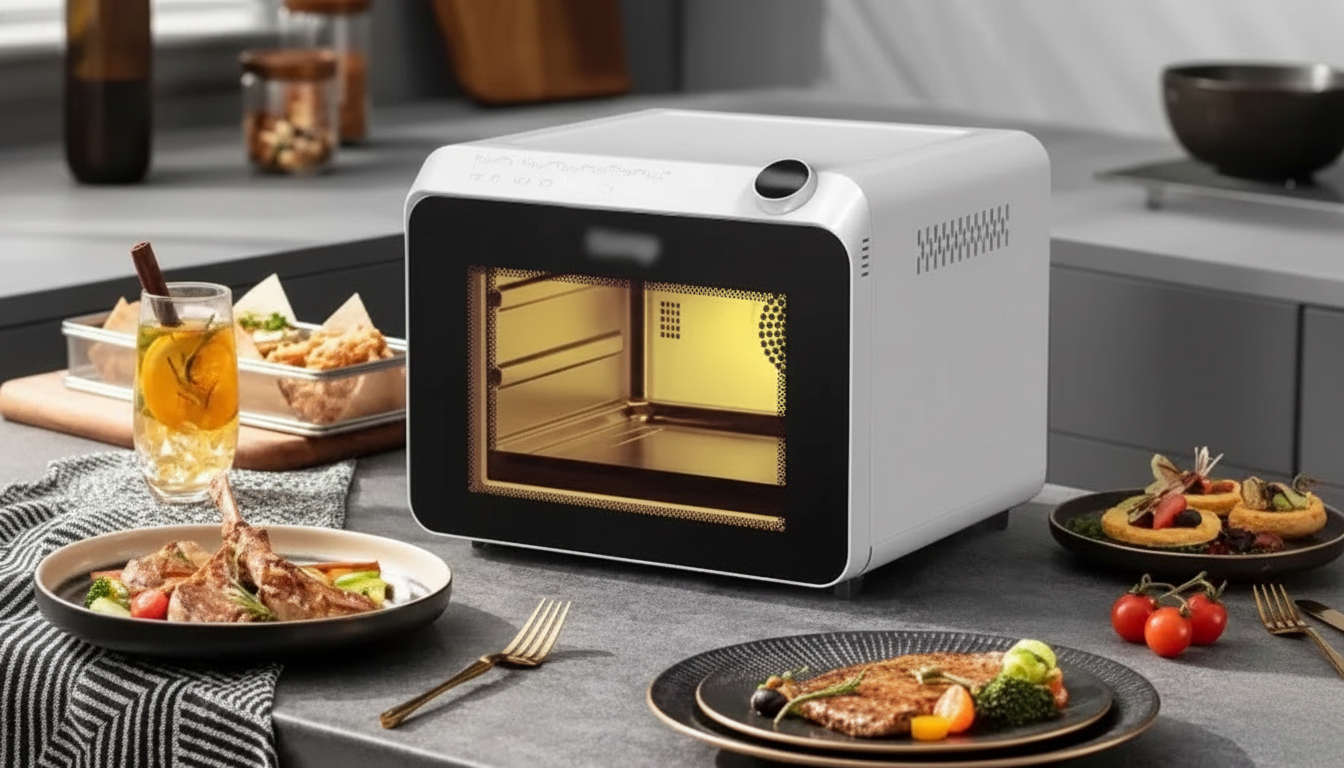
25L Digital Air Fryer Toaster Oven: Capacity, Controls, and Everyday Cooking
A digital air fryer toaster oven blends high-heat convection air frying with classic toaster-oven flexibility in one countertop appliance. In a 25L size, it’s built for family portions, faster weeknight meals, and multi-function cooking—air frying, baking, roasting, toasting, and reheating—without bouncing between devices or heating up a full-size oven for small jobs.
What a 25L digital air fryer toaster oven is best at
This style of oven shines when you want speed, crispness, and versatility in a single footprint. The circulating hot air promotes browning and crunch with less oil than deep frying, while the toaster-oven layout makes it easy to cook on trays and racks.
- Crispy results with less oil by moving hot air around food
- Toasting and reheating that can be faster and more even than many full-size ovens
- Baking and roasting in a compact cavity for small-batch meals and sides
- One appliance for everyday favorites: fries, wings, vegetables, toast, pizza, and casseroles
- Helpful when counter space is limited or when avoiding the heat of a full-size oven
What to look for in a digital model
Digital models are popular because they reduce guesswork and make repeatable results easier—especially when multiple people in the household cook. Beyond looks, focus on practical usability.
- Clear digital controls for temperature and time (easy to read from a few feet away)
- Preset programs that match real use: air fry, bake, toast, roast, reheat
- A wide temperature range to cover delicate baking and high-heat crisping
- Viewing window and interior light (when available) to check browning without opening the door
- Useful accessories: air-fry basket, racks, baking/drip trays, and a crumb tray
Also consider how intuitive it feels to switch modes. A good interface makes it simple to jump from toast to reheat to air fry without extra steps.
Capacity planning: what 25L means in real kitchens
A 25L cavity is typically roomier than compact countertop air fryers, which matters for both batch size and texture. More space allows you to spread food out, improving airflow for crisping. It’s also better for tray-based meals—think vegetables on one tray and protein on another—without stacking pieces on top of each other.
Before buying, check the external footprint and door clearance. Bigger capacity often means more counter depth is required, and you’ll want breathing room around vents for proper airflow.
Quick capacity guide
| Household | Typical use | Why 25L helps |
|---|---|---|
| 1–2 people | Reheat, toast, small meals | Roomy cavity helps crisp and reheat more evenly without crowding |
| 3–4 people | Weeknight dinners, sides + protein | Batch cooking without stacking food, so airflow stays effective |
| Meal prep | Multiple portions at once | Fewer rounds, less waiting, and better consistency across servings |
How digital controls change the day-to-day experience
Digital control panels aren’t just a modern touch—they can make cooking feel more predictable. Precise temperature settings and timers help repeat a “great batch” of wings or roasted vegetables with fewer surprises.
- More precise temperature setting supports consistent results between cooks
- Timers and presets reduce overcooking when multitasking
- Switching modes is quick compared with reconfiguring separate appliances
- Fan-driven heat can shorten cook times; start checking doneness early until you learn your unit
For food safety, a thermometer is still the most reliable way to confirm doneness—especially for poultry and leftovers. The FDA’s overview of food thermometers is a helpful reference if you’re upgrading your kitchen tools.
Cooking results: air fry vs. bake vs. toast
One of the biggest advantages of a combo unit is choosing the right mode for the texture you want. Small adjustments—like rack position, preheating, and spacing—can make a noticeable difference.
When reheating or cooking poultry, aim for safe internal temperatures. The USDA’s safe minimum internal temperature chart is the standard reference for home kitchens.
Simple tips for crispier food and less smoke
Stay attentive with any high-heat countertop cooking. NFPA guidance on cooking fire safety is a smart refresher—especially when experimenting with new settings.
Cleaning and maintenance that keeps performance steady
Featured option: 25L Digital Air Fryer Toaster Oven
If you want the convenience of air frying plus toaster-oven versatility in a family-friendly size, the 25L Digital Air Fryer Toaster Oven is a practical pick. The larger cavity supports bigger batches, and the digital interface makes mode switching and time/temperature adjustments straightforward—useful for weeknight crisping, small-batch baking, and reheating leftovers with better texture.
At-a-glance
| Model | Capacity | Best for | Availability |
|---|---|---|---|
| 25L Digital Air Fryer Toaster Oven | 25L | Batch air frying, toasting, baking, reheating | In stock |
More in-stock kitchen favorites
- Multi-Function Electric Waffle & Hot Pot Cooker with Steamer for waffles, simmering, and steaming in one compact unit.
FAQ
Is an air fryer toaster oven better than a basket air fryer?
It depends on what you cook most. A toaster-oven style is usually roomier and more versatile for baking, toasting, and multi-rack cooking, while basket air fryers can be simpler for fast, single-batch crisping with minimal setup.
What can a 25L air fryer toaster oven cook comfortably?
A 25L size typically handles family-style portions like a larger tray of fries or vegetables, multiple chicken pieces, and several slices of toast at once. For best crisping, spread food out in a single layer so hot air can circulate instead of stacking.
What internal temperature should leftovers and poultry reach?
Use a food thermometer and heat leftovers to 165°F (74°C) and poultry to 165°F. That target helps ensure safe reheating and doneness, even when the outside browns quickly in convection heat.











Leave a comment