Seasonal Patio Furniture Layout: 3 Zones, Easy Swaps
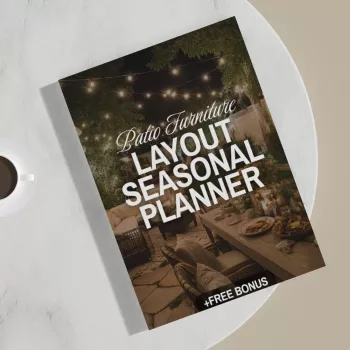
Seasonal Patio Furniture Layout Planner: Simple Zones, Smooth Traffic, All-Year Comfort
A patio feels effortless when seating, dining, shade, and storage work together across changing weather. A seasonal layout plan helps keep pathways clear, protect furniture, and refresh the space without starting from scratch each time. Use the framework below to map your patio once, then swap elements by season.
Start with a quick patio map and fixed constraints
Before you drag a single chair, spend 10 minutes on a simple map. The goal is to make decisions once—then repeat them with small seasonal swaps.
- Sketch the usable footprint and exclude planting beds, grill stations, pool edges, and any area that consistently stays wet or muddy.
- Mark fixed features: doors, steps, hose bibs, outlets, lighting, drains, and the direction of any slope that pushes water toward certain corners.
- Identify “no-block” areas: door swings, emergency egress paths, gate clearances, and safe space around the grill.
- Note sun and wind patterns at different times. Morning glare can make breakfast seating uncomfortable, and prevailing gusts can turn umbrellas into a problem.
- Measure once, then plan with standard furniture footprints so you can swap pieces seasonally without re-measuring every time.
If you want a repeatable template you can update each season, keep a base layout plus four variations saved in one place. The Patio Furniture Layout Seasonal Planner (digital download) makes it easy to keep your “master map” and quick seasonal edits side by side.
Set up three zones that stay consistent year-round
A patio stays calmer when zones remain stable, even if the furniture inside each zone changes. Think of it like a floor plan: the “rooms” don’t move—only the furnishings do.
1) Conversation zone
- Prioritize face-to-face seating and a reachable surface for drinks.
- Aim for a comfortable ring around a coffee table or fire feature, without forcing people to scoot chairs every time they stand up.
2) Dining zone
- Keep it closest to the kitchen door when possible to reduce food traffic across seating.
- Ensure chairs can pull out without blocking the main walkway.
If dining comfort is a recurring pain point, a small decision tool can help prevent mismatched seat heights and cramped spacing. The How to Pick Dining Chairs Checklist (digital download) is a quick reference for chair fit and everyday usability.
3) Support zone
- Reserve a narrow strip for a console, deck box, plant stand, or serving cart.
- Use this zone to prevent “drift,” where cushions, toys, planters, and tools slowly migrate into seating areas and walkways.
Protect one primary walkway
Choose a single, obvious path from the door to the yard and/or grill, then treat it as untouchable year-round. Once that path stays clear, the entire patio feels larger and easier to use.
Season-by-season layout tweaks (swap, don’t redo)
Seasonal changes should feel like switching layers, not remodeling. Keep the three zones in place and adjust only what supports comfort and safety.
Spring
Summer
- Maximize shade and airflow. Angle seating to catch breezes instead of facing heat-reflecting walls.
- Add an umbrella or shade-sail “shadow zone” and keep extra clearance for barefoot traffic and cooler runs.
- Review sun exposure basics using the EPA’s guidance on sun safety to make midday seating more comfortable.
Fall
Winter (mild climates)
If winters are harsh
Clearances that make a patio feel bigger
- Main walkway: maintain a continuous path that doesn’t require turning sideways around chair backs.
- Dining pull-back space: allow chairs to slide out while someone walks behind them without pinching the route to the door or grill.
- Conversation spacing: keep side tables within easy reach and avoid sharp corners at knee height where people naturally pivot.
- Heat and cooking safety: maintain open space around grills and fire features; keep fabrics, umbrellas, and overhangs well outside heat zones. Review the NFPA’s grilling safety recommendations and the CPSC’s guidance on outdoor fires and fire pits before placing seating close to flame or high heat.
- Door comfort: don’t place a sofa back directly in the swing path or where it forces a tight turn as soon as you step outside.
Seasonal layout checklist (use as a quick reset)
| Season | Primary goal | Move/Swap | Add | Store/Protect |
|---|---|---|---|---|
| Spring | Easy clean + flexible seating | Use lighter movable chairs; keep rugs minimal | Boot tray or small mat; pollen-friendly wipeable surfaces | Extra cushions; thick rugs |
| Summer | Shade + airflow + entertaining | Angle seating toward breeze; expand dining clearance | Umbrella/shade sail; cooler spot; bug-lighting | Heavy throws; delicate decor |
| Fall | Warmth + cozy gathering | Pull seating closer; tighten conversation zone | Fire feature accessories; lanterns; windbreak planters | Umbrellas (if windy); lightweight side chairs |
| Winter | Compact + protected setup | Consolidate to sheltered corner; keep clear wet path | Weatherproof storage bin; brighter task lighting | Textiles; extra chairs; decor that can crack/fade |
Make the plan easy to repeat with a digital layout template
FAQ
How often should a patio furniture layout be updated?
Do a light reset at each season change, then a quick mid-season check after storms or heavy use. Keep your base zones the same and focus on swapping accessories and a few pieces rather than moving everything.
What is the simplest way to keep patio walkways clear?
Map one primary path from the door and protect it first. Consolidate seating into a defined conversation zone and use a narrow support zone for storage so items don’t drift into the walkway.
How can a small patio feel comfortable in every season?
Build a compact conversation core with movable pieces, then rotate seasonal textiles for comfort. Store extras when they’re not needed, add shade in summer, and pull seating into a tighter, warmer cluster in fall and winter.













Leave a comment