3–4 Person Tunnel Tent for Roomy, Easy Car Camping
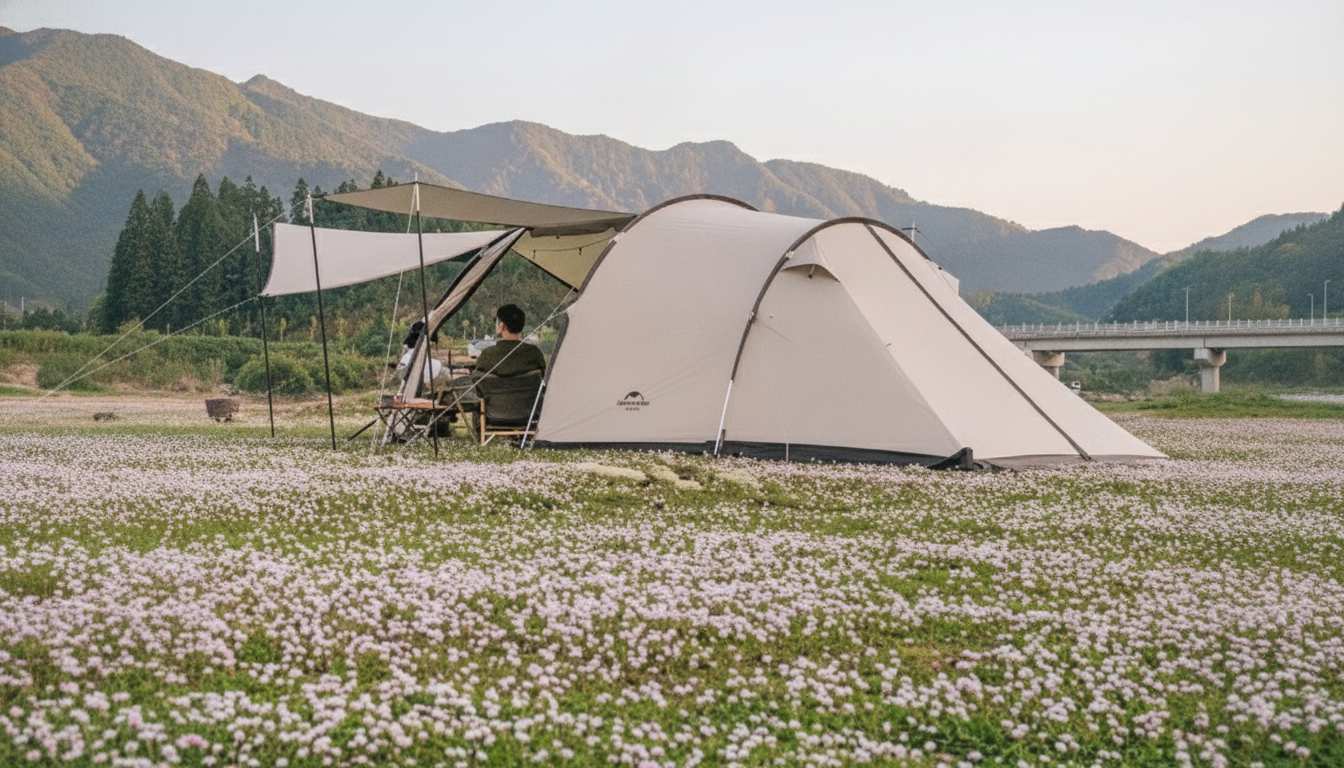
Why a 3–4 Person Tunnel Tent Works So Well for Car Camping
A tunnel-style tent is built to feel roomy and livable, making it a strong pick for car camping, short hikes to a campsite, and multi-day basecamps. Instead of maximizing height only at the center, a tunnel profile spreads usable headroom across more of the floor, which can make everyday tasks—changing clothes, organizing bags, or waiting out a storm—feel far less cramped. The sections below focus on the practical details that shape real comfort: space, weather protection, ventilation, setup, and long-term care.
What a tunnel tent does differently
Tunnel tents use a long, arched pole structure that creates an interior shape many campers describe as more “cabin-like” than a classic dome. That design choice changes how the tent feels during normal campsite living.
- Long, arched pole structure creates usable headroom through more of the floor area than many dome designs.
- Typically offers a “cabin-like” interior shape that works well for sleeping plus gear storage.
- Often performs best when properly oriented to the wind and fully guyed out for stability.
- Great match for campsites with a defined tent pad where a longer footprint isn’t an issue.
Who a 3–4 person size suits best
A 3–4 person tunnel tent is often the “sweet spot” for campers who want comfort without the bulk of a full-size cabin tent. It’s especially practical when the tent is carried from the car to a site, or when the tent will stay up for several nights in the same place.
- Two adults who want extra space for bags, a dog, or rainy-day comfort.
- A small family with kids where sleeping pads are narrower and gear can be managed in a vestibule or along the sides.
- Friends sharing a tent for fair-weather trips, keeping expectations realistic about shoulder-room and personal space.
- Campers who prefer a lighter “basecamp” feel without stepping up to a large cabin tent.
Key comfort and performance factors to check
Not all tunnel tents feel the same. Before committing, focus on the details that affect day-to-day livability and how the tent handles unpleasant surprises like wind shifts, overnight condensation, or sustained rain.
- Floor dimensions and peak height: prioritize standing or near-standing height if changing clothes inside matters.
- Vestibule or covered entry: helps keep muddy boots and wet jackets out of the sleeping area.
- Ventilation: look for high/low vents or mesh panels to reduce condensation during cool nights.
- Weather protection: confirm rainfly coverage and seam construction; use a footprint to reduce floor wear.
- Wind handling: guylines and stake points matter; a tunnel shape relies on proper staking for best stability.
- Packed size and weight: fine for car camping; for hiking, verify it matches carry limits and group packing plan.
Quick checklist for choosing a tunnel tent setup
| Trip style | What to prioritize | Practical tip |
|---|---|---|
| Car camping weekends | Headroom, vestibule space, easy setup | Practice pitching once at home and pack stakes/guylines where they’re easy to grab |
| Rainy or humid climates | Vent placement, full-coverage fly, quick-drying fabrics | Pitch with the door away from prevailing wind and keep vents cracked overnight |
| Windy campsites | Extra guy points, strong stakes, low profile orientation | Use all guylines and upgrade stakes if soil is loose or sandy |
| Family basecamp | Room for pads + gear, easy in/out access | Assign a “gear side” to keep the sleeping area uncluttered |
Setup and campsite placement for tunnel-style stability
Tunnel tents reward a little extra attention during setup. The same features that create generous interior volume also mean the structure depends on clean staking and proper tension.
- Choose the flattest ground available and remove sharp debris to protect the floor.
- Orient the narrow end toward the strongest wind if conditions are breezy.
- Stake corners first to set the footprint, then insert poles and tension evenly.
- Use guylines early rather than waiting for weather; re-tension after fabric relaxes.
- In soft ground, use longer stakes or deadman anchors; in hard ground, pre-position stakes carefully to avoid bending.
Before committing to a spot, it also helps to check forecasts and hazard guidance for the area. The National Weather Service is a reliable place to verify wind and storm timing, and the National Park Service camping safety guidance is a strong refresher on campsite best practices.
Managing condensation without sacrificing warmth
Condensation can happen in almost any tent when warm, moist air meets cool fabric. Tunnel tents often do well when airflow is used intentionally—especially at night when temperatures drop quickly.
Care, packing, and storage to extend tent life
For campsite ethics and low-impact routines—especially around tent placement and waste handling—the Leave No Trace Seven Principles are a helpful standard to follow.
Recommended gear picks for comfortable basecamp weekends
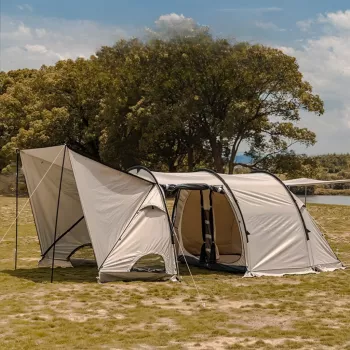
- 3-4 Person Outdoor Tunnel Tent for roomy sleeping space and a tunnel-style profile that emphasizes usable interior volume.
- Multi-Function Electric Waffle & Hot Pot Cooker with Steamer for car camping meal flexibility when a powered site or compatible setup is available.
3–4 Person Outdoor Tunnel Tent: a practical option for roomy campsite living
FAQ
Is a 3–4 person tent comfortable for two people?
Usually yes—two sleepers get more elbow room and extra space for bags. Comfort still depends on pad width, how much gear stays inside, and whether you can store muddy or wet items in a vestibule.
Are tunnel tents good in wind?
They can be when oriented correctly and fully guyed out. Aim the narrow end into the wind, stake the footprint firmly, and use all guylines so the structure stays tensioned.
How can condensation be reduced in a tunnel tent?
Keep vents open whenever conditions allow, avoid drying wet clothes in the sleeping area, and maintain airflow with a slightly cracked door when it’s safe. Wiping interior walls before packing also helps prevent storing moisture.












Leave a comment