Outdoor Fabric Care: Clean, Protect & Prevent Mildew
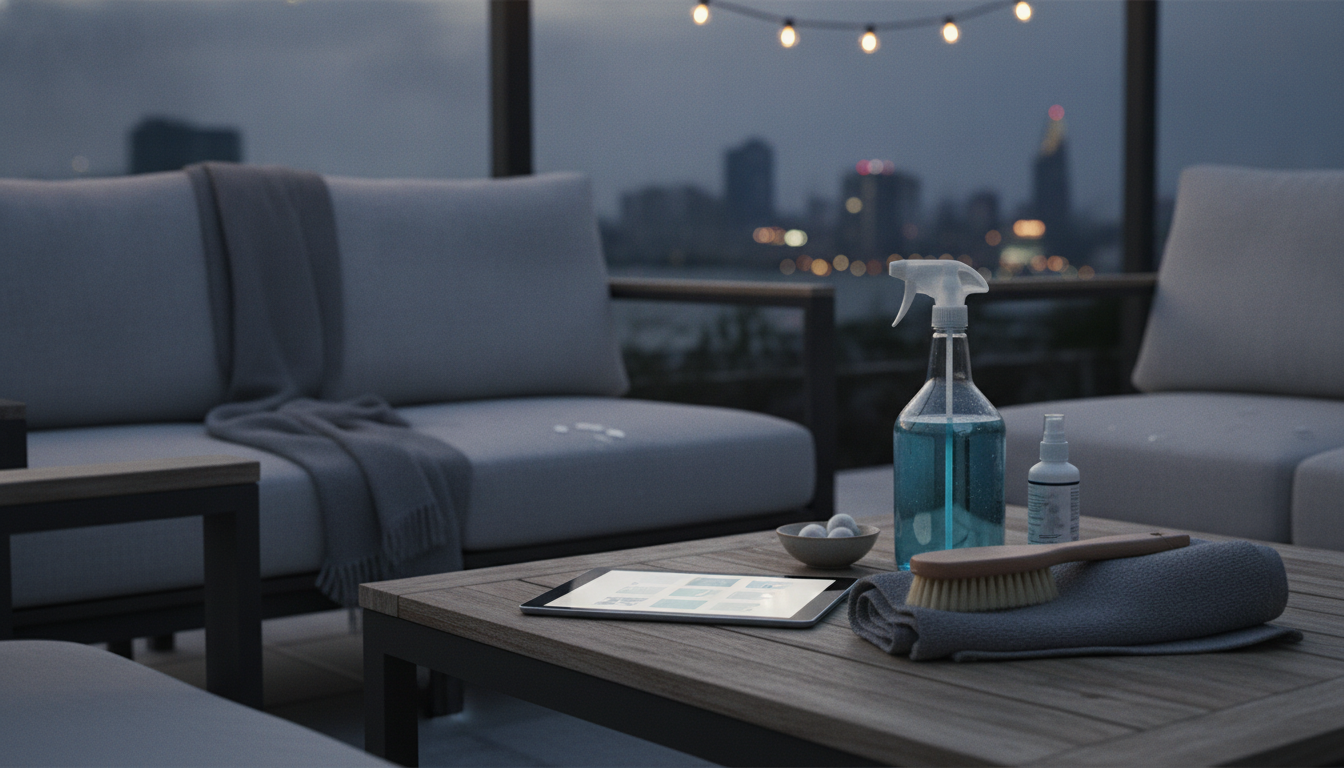
Outdoor cushions, umbrellas, awnings, and covers take a daily beating from sun, rain, pollen, grime, and mildew. A simple, repeatable care routine helps prevent fading, odors, and premature wear—while keeping seating and shade areas looking fresh. Below is a practical system for identifying fabric type, cleaning safely, restoring water repellency, and storing items correctly through the seasons.
Start by Identifying What You’re Caring For
Before grabbing a cleaner, confirm what the material can actually handle. Many “outdoor” textiles look similar but behave very differently when exposed to bleach, heat, or solvents.
- Check tags and product pages for fiber content and coatings: solution-dyed acrylic, polyester, olefin, vinyl/PVC, canvas/cotton blends, or coated “waterproof” materials.
- Note construction details that affect care: removable covers vs. sewn-in, foam type (quick-dry vs. standard), zippers, piping, and seams where grime collects.
- Look for special finishes: water repellent (DWR), stain guard, antimicrobial/mildew-resistant treatments—these can be degraded by harsh chemicals or high heat.
- Do a quick condition scan before cleaning: color fading, chalky residue (sun degradation), black spots (mildew), green film (algae), and oily stains (sunscreen, food, grill grease).
Quick Care Guide by Common Outdoor Fabric Types
| Fabric type | Best routine cleaning | Avoid | Protection tip |
|---|---|---|---|
| Solution-dyed acrylic (e.g., performance awning/cushion fabric) | Vacuum/brush + mild soap and water; rinse thoroughly | Bleach unless manufacturer-approved; high heat drying | Reapply fabric guard after deep cleaning if water no longer beads |
| Polyester outdoor fabric | Mild detergent; soft brush; rinse well | Strong solvents; abrasive scrubbing | Use UV protectant spray when exposed to full sun daily |
| Olefin (polypropylene) | Mild soap; low-agitation wash if removable; air dry | Hot water/high heat; harsh oxidizers | Spot-clean sunscreen quickly to prevent set-in staining |
| Vinyl/PVC cushions or covers | Wipe with mild soap; rinse; dry with soft towel | Alcohol/acetone; harsh degreasers; stiff brushes | Use vinyl protectant and keep out of prolonged direct sun when possible |
| Canvas/cotton blends (outdoor covers, some umbrellas) | Gentle wash; thorough rinse; dry completely | Storing damp; overuse of bleach | Ensure complete drying before storage to reduce mildew risk |
A Simple Cleaning Routine That Works Most of the Time
Most “mystery grime” comes off with a calm, consistent method—no power-washing needed.
- Dry removal first: shake, vacuum with an upholstery tool, or soft-brush off dust and pollen before adding water (this prevents muddy residue). For hands-off upkeep on patios and covered porches, a robot vacuum can help keep grit from grinding into fabric; see the Smart Home Robot Vacuum Cleaner with Mop & Automatic Dust Collection.
- Mix a gentle cleaner: lukewarm water + mild soap (dish soap or a delicate fabric detergent) is usually enough for routine maintenance.
- Apply and dwell: lightly wet the surface, apply suds with a soft brush or microfiber cloth, and let it sit 5–10 minutes to lift grime.
- Rinse aggressively: soap left behind attracts dirt; rinse until water runs clear—especially along seams and welting.
- Dry completely: air dry in shade with airflow; open zippers and stand cushions on edge to drain water from seams and foam.
If you’re caring for premium performance fabrics, it can also help to reference brand-specific instructions (for example, Sunbrella’s care and cleaning guide) before trying any stronger treatment.
Tackling Stains: Sunscreen, Food, Tree Sap, and Bird Droppings
Stains are easiest when they’re fresh. The goal is to lift the contaminant without scrubbing the finish off the fabric.
- Act fast on oily stains (sunscreen, burgers, salad dressing): blot, don’t rub; use a small amount of gentle detergent directly on the spot, then rinse.
- For organic fallout (bird droppings, berries): remove solids carefully, pre-wet, then clean with mild soap; repeat rather than scrubbing hard.
- Tree sap: test an inconspicuous area first; some fabrics tolerate a small amount of mineral spirits on a cloth, followed by a soap-and-water rinse—only if the manufacturer allows it.
- Rust marks: use fabric-safe rust removers approved for outdoor textiles; avoid improvised acids that can discolor dyes and weaken fibers.
- Always spot test: changes in color, texture, or coating (loss of water beading) signal the cleaner is too strong.
Mildew and Musty Odors: Fix the Cause, Not Just the Spots
Mildew is usually a moisture-management problem first, and a cleaning problem second. If cushions keep getting musty, adjust drying and storage habits along with spot treatment.
For broader safety guidance when dealing with mold or mildew, review the U.S. Environmental Protection Agency’s mold cleanup recommendations.
Protection: UV, Water Repellency, and Abrasion Control
Seasonal Checklist: A 15-Minute Habit That Saves a Full Weekend Later
A Handy Reference for Ongoing Care
For a step-by-step, printable routine you can keep on a phone or tablet, see the Essential Fabric Care for Outdoors digital guide.
FAQ
Can outdoor cushion covers go in the washing machine?
It depends on the fabric and whether the covers are removable. Check the care tag first; if allowed, use a gentle cycle with cold or lukewarm water, mild detergent, closed zippers, and air dry to protect coatings and prevent shrinkage.
How often should outdoor fabric be cleaned and re-protected?
During peak season, brush off debris weekly or biweekly and spot-clean spills right away, then do a deeper wash about once a month (or as needed). Reapply protectant after a full clean/rinse/dry cycle when water no longer beads on the surface.
What’s the safest way to remove mildew from outdoor fabric without ruining the color?
Start by removing dirt and pollen, then use a manufacturer-approved mildew treatment—some fabrics allow diluted bleach while others require non-chlorine options. Rinse thoroughly, dry completely, and fix airflow/storage issues so the mildew doesn’t come back.
















Leave a comment