Room Makeover Checklist: Layout, Color, Lighting & Storage

A Simple Checklist for a Stunning Space
A beautiful room rarely happens by accident. It comes from clear choices—function first, then layout, then color and texture, then the finishing details that make everything feel intentional. This guide breaks the process into an easy, repeatable checklist that works for any room, whether the goal is a quick refresh or a full redesign.
Start with the room’s purpose and daily habits
Before shopping or rearranging, get specific about how the room should support real life. The most “styled” spaces still work best when they’re designed around everyday routines.
- Name the primary use of the space (rest, work, entertaining, eating, storage) and the secondary use (reading corner, play area, guest sleeping, etc.).
- List 3–5 daily actions that happen in the room (drop keys, charge devices, fold laundry, eat breakfast, watch TV). Your design should make these actions easy without creating clutter.
- Identify pain points: not enough lighting, awkward traffic flow, no landing zone, too much visual noise, not enough closed storage.
- Define a one-sentence goal that guides decisions, such as: “Calm, light, and easy to tidy in five minutes.”
If you want an easy way to keep these decisions organized while you plan and shop, the Easy Checklist for a Stunning Space | Digital Home Decor Design Ideas Guide & Printable Organization Tool is built to collect your measurements, priorities, and progress in one place.
Measure, map, and protect the flow
Scale and spacing are what separate “almost right” from “effortlessly put-together.” A few measurements and a quick sketch help prevent furniture that looks great online but overwhelms your room.
- Measure wall lengths, ceiling height, and constraints (windows, doors, radiators/vents, outlets, built-ins). Keep them in one note for quick reference.
- Sketch a simple floor plan and mark walking paths; protect clearances around doors and high-traffic routes.
- Place anchor pieces first (sofa/bed/dining table/desk) before choosing side pieces; anchors set the room’s scale and logic.
- Create “zones” in larger rooms (conversation, reading, dining, storage) so the space feels organized without adding extra furniture.
Quick layout checks (room-agnostic)
| Checkpoint | Aim | Fast test |
|---|---|---|
| Walkways | Comfortable movement | Can someone pass without turning sideways? |
| Door swings | Nothing blocks openings | Open doors fully and check corners |
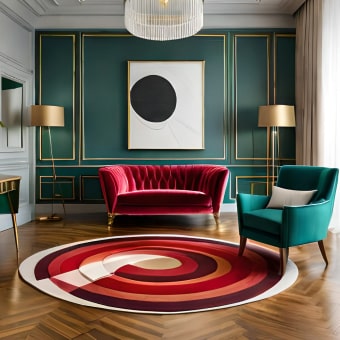
| Rug sizing | Furniture feels grounded | Front legs on the rug for key seating pieces |
| Sightlines | Room feels calm | Stand at entry: does anything feel like a visual “pile”? |
| Landing zone | Less daily clutter | Designate a tray/bowl/hooks near the entry point |
Choose a color direction that’s easy to repeat
A cohesive room doesn’t require matching everything—it requires repeating a few decisions on purpose. Think of your palette as a simple framework you can stick to as you add pieces over time.
- Pick a base: warm neutrals, cool neutrals, or a soft color wash. Keep the biggest surfaces (walls, large furniture) in the same base family for flexibility.
- Add 1–2 accent colors for personality (pillows, art, vases, a small chair). Repeating accents 2–3 times makes a room feel pulled together.
- Decide on metal and wood tones early (brass, black, chrome; light oak, walnut, painted). Consistent finishes reduce visual clutter.
- Test in real lighting (day and night). A shade that looks perfect at noon can shift dramatically under warm bulbs.
Build comfort with layered lighting
Lighting is one of the fastest upgrades because it changes how every color and texture reads. For practical guidance on lighting types and planning, the American Lighting Association’s Lighting Basics is a helpful reference.
- Aim for three layers: ambient (overall), task (reading/cooking/desk), and accent (art, shelves, corners).
- Soften a harsh overhead feel by adding at least two lamps in living spaces; spread light sources around the room.
- Choose bulbs intentionally: warm white for cozy areas, neutral for work zones; keep color temperature consistent within the same room.
- Add dimming where possible (or use smart bulbs) to shift the room from daytime function to evening calm.
For work-from-home setups, comfort matters as much as style. The U.S. General Services Administration’s ergonomics guidance is a solid checkpoint for desk height, monitor positioning, and posture-friendly layouts.
Make storage invisible (or deliberately beautiful)
To keep the “reset” truly easy, consider automating the basics so floors stay consistently clean between deep cleans. A tool like the Smart Home Robot Vacuum Cleaner with Mop & Automatic Dust Collection can support that tidy-in-minutes goal—especially in high-traffic living rooms and entryways.
Add the finishing touches that make it feel designed
For the finishing details that also support healthier everyday comfort—like reducing dust buildup and improving airflow—review the basics of EPA indoor air quality guidance and align your cleaning and ventilation habits with how you actually live.
Use a printable checklist to plan, shop, and track progress
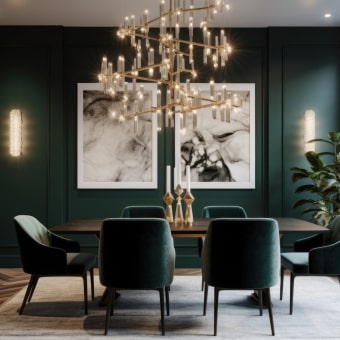
If the dining area is part of your makeover, the How to Pick Dining Chairs Checklist | Digital Download Guide for Choosing the Perfect Dining Room Chairs helps you confirm sizing, comfort, spacing, and style—before you commit.
FAQ
What order should a room makeover follow?
Start by defining the room’s purpose and pain points, then measure and plan the layout. Next choose a color/finish direction, create a lighting plan, add storage solutions, and finish with textiles, art, and styling.
How can a room look more cohesive without buying all new furniture?
Repeat a limited palette, coordinate finishes (metal and wood tones), and use consistent textiles across pillows, throws, and rugs. Upgrading lighting and editing surface clutter often makes existing furniture feel more intentional.
How do printable checklists help with home decor decisions?
They centralize measurements and decisions so you’re not re-checking details or guessing later. They also break the work into stages, reduce impulse buys, and give you an easy way to track progress.












Leave a comment