Two-Room Tunnel Tent Guide: 5–8 Person, Waterproof
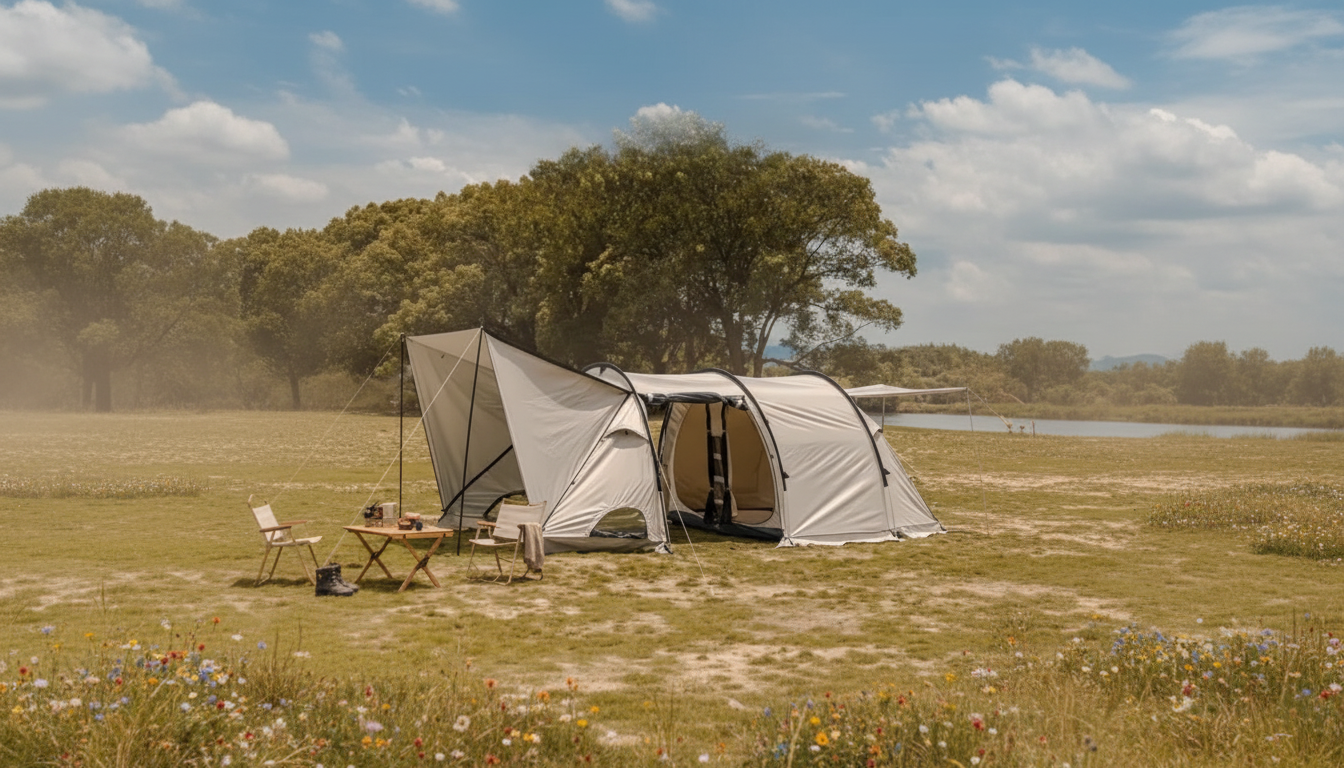
Spacious Group Camping Starts with a True Two-Room Tent
A double-room tunnel-style tent is built for groups that want real separation between sleeping and gear, plus weather-ready protection for camping beyond fair-season weekends. This guide covers layout, comfort, storm handling, setup, and practical care so your shelter stays dependable trip after trip. If you’re outfitting a family base camp, a couple traveling with friends, or a gear-heavy crew, the Spacious 5-8 Person Double-Room Camping Tent – Waterproof, Four-Season, Portable Outdoor Tunnel Shelter is designed for the kind of livability that makes multi-day camping feel organized instead of chaotic.
What Makes a Double-Room Tunnel Tent Different
Unlike a single open-floor plan, a double-room tent creates two distinct living zones. That separation makes a noticeable difference when some campers turn in early, kids need their own space, or someone wants to rummage through a duffel without waking the entire tent.
Tunnel geometry also leans into usable length and headroom. Many dome tents advertise similar capacity, but their sloping walls can reduce “sit-up space” right where you want it—near the edges. A tunnel layout typically preserves more livable interior volume along the tent’s length, making it well-suited to base-camp style trips, drive-in campgrounds, and shoulder-season weekends where comfort and protection matter more than shaving ounces.
Roomy Layout for 5–8 Campers
Capacity labels are a starting point, not a guarantee of comfort. A 5–8 person, double-room tent is at its best when you decide how each room will function: one room for adults and one for kids, one room for sleeping and one for storage, or even a “quiet room” and a “late-night room.”
That extra interior volume also helps keep bags, shoes, and wet layers off sleeping areas. When gear has a dedicated zone, you get fewer midnight trips over water bottles, less grit on sleeping pads, and faster mornings because everything has a consistent home.
For maximum comfort, plan for fewer people than the headline capacity when using thick sleeping pads, wide pads, cots, or oversized duffels. A simple way to reality-check: map pad widths before you leave (20–25 inches each is common, but some pads run 30+ inches), then reserve a walkway so you can enter/exit without stepping on bedding.
Waterproof Protection and Storm Readiness
Use a footprint or groundsheet that matches the floor size and never extends beyond the edges. If it sticks out, it can catch rain and channel it under your tent. Place the tent on slightly higher ground when possible, and aim for natural drainage rather than digging trenches (which is discouraged in established campgrounds). For broader storm awareness, check local forecasts and safety guidance through NOAA’s National Weather Service weather safety resources.
Four-Season Use: What It’s Good For (and What to Plan Around)
Wherever you camp, stick to low-impact practices—camp on durable surfaces, pack out waste, and leave the site as you found it. The Leave No Trace Seven Principles are a helpful standard for group trips where impact can add up quickly.
Setup, Portability, and Campsite Fit
Comfort Features That Matter on Multi-Day Trips
Specifications at a Glance
Use the checklist below to compare options and confirm what you’ll need before your next trip—especially if you plan to use cots or store bulky gear. If you’re camping with access to power in a cabin or RV site and want easy group meals, a countertop-friendly option like the Multi-Function Electric Waffle & Hot Pot Cooker with Steamer can be a convenient add-on for rainy days and long weekends.
| Spec | Details to confirm before your trip |
|---|---|
| Capacity | Comfortable sleeper count based on pad/cot size and personal space needs |
| Layout | Two-room separation for sleeping and storage/privacy |
| Season Rating | Four-season style shelter for wind/rain/cold-weather camping (use judgment for deep-winter snow loads) |
| Weather Protection | Rainfly coverage, seam sealing status, and stake/guyline points |
| Footprint Plan | Use a correctly sized footprint; avoid material extending past the floor edge |
| Campsite Fit | Overall tent pad length/width vs. campground tent-area dimensions |
| Carry & Storage | Packed size and drying/cleaning routine to protect coatings |
Care, Maintenance, and Long-Term Waterproofing
Clean gently with water and mild soap. Avoid harsh detergents or aggressive scrubbing that can strip waterproof treatments and shorten the life of seam tape. If waterproof performance fades, reapply a durable water repellent (DWR) to the fly and reseal seams as needed after heavy use or long storage. For a deeper care routine, REI’s tent care, cleaning, and storage guide is a solid reference.
Compare related options such as Spacious 5-8 Person Double-Room Camping Tent – Waterproof, Four-Season, Portable Outdoor Tunnel Shelter to match features, dimensions, and use case before choosing.
FAQ
How many people can sleep comfortably in a 5–8 person double-room tent?
The top number usually assumes tight pad spacing with minimal gear inside. For better comfort, plan on fewer sleepers if you use wide pads, thick pads, or cots, and use the second room to keep bags and shoes out of the sleeping area.
Can a four-season tent be used in summer without overheating?
Yes, but you’ll want to prioritize airflow and shade. Use vents, pitch to catch breezes, and manage condensation by keeping damp gear in the storage zone rather than next to sleeping bags.
What’s the best way to prevent rainwater from getting under the tent floor?
Use a correctly sized footprint that doesn’t protrude past the floor, and pitch on slightly higher ground with natural drainage. Tighten the rainfly and guylines so water sheds efficiently, and avoid digging trenches in established campgrounds.













Leave a comment