Bedroom Design Ideas for Every Style: Layout, Color, Light
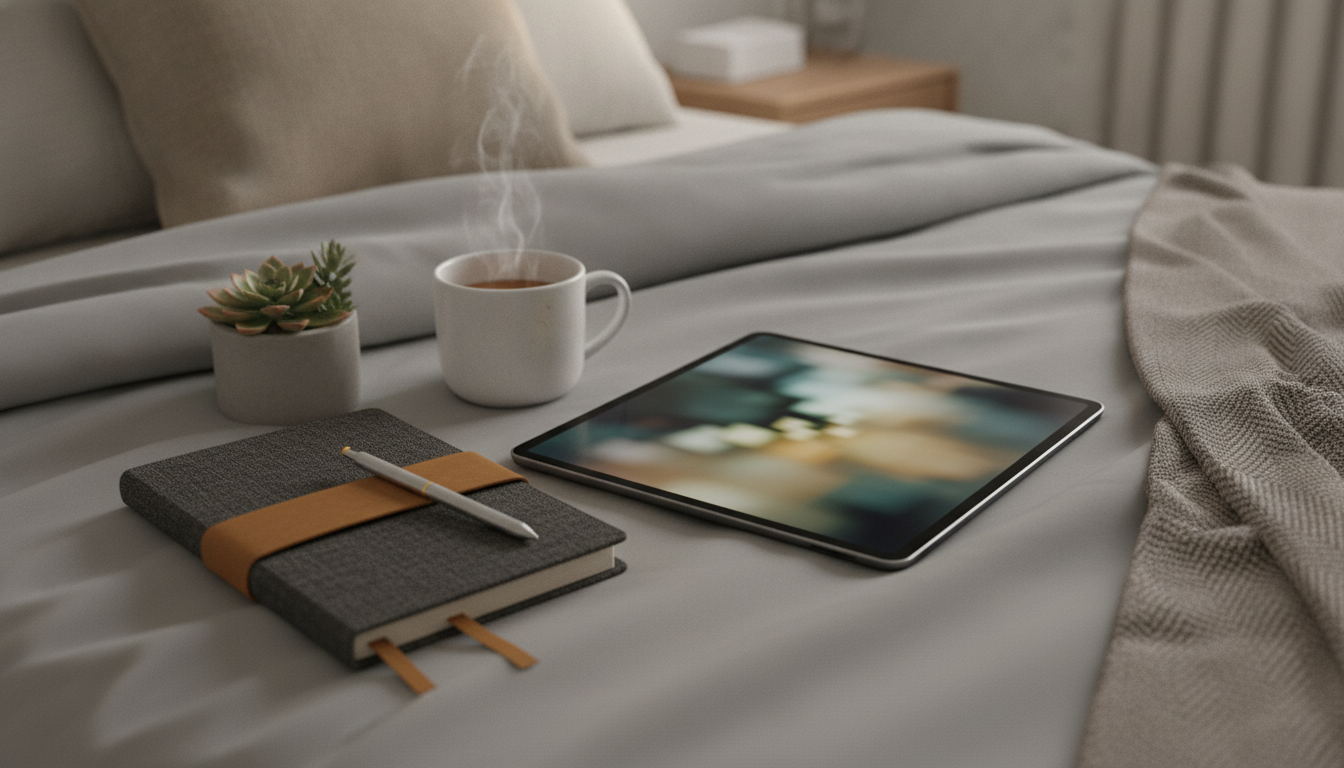
Creative Bedroom Design Ideas for Every Style
A bedroom works best when comfort, storage, lighting, and personal style are planned together. The goal isn’t perfection—it’s a space that feels restful and intentional, whether the look is minimalist, cozy, bold, or classic. Use the ideas below to shape a bedroom that supports sleep first, stays easier to maintain, and still feels like you.
Start with a Bedroom Plan That Actually Feels Calm
Before colors and decor, get clear on what the room needs to do day to day. A few practical decisions upfront will make every later choice feel simpler.
- Define the purpose: sleep-first, work-friendly, a reading nook, or a hotel-like retreat—then design around that priority.
- Create a “quiet zone” around the bed: keep visual clutter low near the headboard and avoid busy patterns directly in your sightline.
- Measure key clearances: walking paths on both sides of the bed, dresser door swing, and closet access before buying anything.
- Pick one anchoring element: a headboard, rug, or statement wall—one focal point keeps the room cohesive.
Layout Moves That Make Any Bedroom Feel Bigger
A room can feel tight even when it isn’t small—usually because circulation, storage, and sightlines are fighting each other. These layout moves help the space read cleaner and more open.
- Float the bed only when it improves circulation; otherwise, center it on the main wall for balance.
- Use the “one tall, two medium” rule: one vertical piece (wardrobe/bookcase) plus two medium-height pieces (nightstands/dresser) reduces visual chop.
- Swap bulky nightstands for wall-mounted shelves to open floor space in small rooms.
- Place a mirror where it catches daylight, not where it reflects clutter; aim for a clean reflection angle.
- Layer storage: under-bed bins, a bench with hidden storage, and closet organizers reduce surface pile-ups.
Quick Layout Checklist by Room Size
| Room size | Bed placement | Best storage move | Lighting tip |
|---|---|---|---|
| Small (studio/guest) | Bed against longest wall or centered with slim night shelves | Under-bed storage + vertical wardrobe | Wall sconces to free surfaces |
| Medium | Centered headboard wall with 24–30 in walkways if possible | Dresser + closet organizers | Two bedside lamps + dimmable overhead |
| Large | Centered with a seating corner or bench at foot | Zone with a console/wardrobe to define areas | Add accent lighting for corners |
Color, Pattern, and Texture: A Simple Formula
For a bedroom, the most “expensive-looking” palette is usually the most edited one. Keep the base calm and let texture do the heavy lifting.
- Choose a base palette (2–3 neutrals), then add one accent color that repeats in at least three places (pillow, art, vase).
- Use low-contrast walls for a softer, sleep-friendly feel; add contrast through textiles (throws, rugs, curtains).
- Balance pattern scale: one large pattern (duvet), one medium (curtains), one small (pillow) prevents chaos.
- Mix textures for depth: matte paint, woven linens, wood grain, and a soft rug can make even a monochrome room feel layered.
Style Playbook: Ideas for Every Look
Use these as mix-and-match building blocks. A bedroom feels intentional when the biggest items (bed, rug, curtains, lighting) follow one clear direction.
- Modern minimalist: crisp bedding, concealed storage, one oversized artwork, black or chrome accents, and clean-lined lighting.
- Cozy cottage: layered quilts, warm woods, vintage frames, soft florals, and a mix of baskets for storage.
- Boho: patterned rug, rattan or cane details, plants, layered textiles, and warm ambient lighting.
- Scandinavian: pale wood, neutral palette, simple silhouettes, cozy throws, and functional decor with negative space.
- Industrial: metal accents, darker tones, raw textures, and statement lighting—soften with plush bedding and curtains.
- Classic/traditional: symmetrical nightstands, tailored bedding, framed art sets, and warm neutral walls with subtle trim.
Lighting That Flatters the Room (and Helps You Sleep)
Bedrooms need lighting that works for getting ready, reading, and winding down. A layered approach keeps the room flexible without feeling harsh.
- Layer three types: overhead (general), bedside (task), and accent (mood).
- Use warm bulbs in the evening (often 2700K–3000K) for a calmer feel. The CIE lighting fundamentals are a helpful reference for basic lighting terminology.
- Add dimmers when possible; if not, use smart bulbs or multiple low-output lamps instead of one bright source.
- Match bedside lighting to habits: reading needs focused task light; winding down benefits from soft, shaded light.
- Avoid glare: place light sources so bulbs aren’t visible from the pillow.
For sleep comfort, keep the whole bedroom environment in mind—light, noise, and temperature all play a role. The Sleep Foundation’s bedroom environment guidance is a solid overview to benchmark your setup.
Wall Decor and Styling Without Visual Clutter
Finishing Checklist: Bring the Room Together in One Pass
A Guided Way to Pull It All Together
- Creative Bedroom Design Ideas for Every Style eBook (digital download guide and checklist)
- How to Pick Dining Chairs Checklist (digital download) (handy if you’re coordinating bedroom style with nearby dining/living areas in an open layout)
- Smart Home Robot Vacuum Cleaner with Mop & Automatic Dust Collection (a practical upgrade for keeping floors and under-bed areas cleaner with less effort)
FAQ
What are the easiest upgrades that change a bedroom fast?
Focus on bedding layers, lighting (warm bulbs plus bedside lamps), a larger rug, and one strong focal point like a headboard or statement wall. These updates change the mood quickly without requiring a full room redo.
How can a small bedroom feel less cramped?
Use wall-mounted shelves or sconces, choose a larger rug to visually expand the floor, keep one tall storage piece, and limit busy patterns near the bed. A cleaner sightline around the headboard also makes the room feel calmer.
How do you mix styles without making the room look messy?
Keep a consistent palette, repeat one or two materials (a wood tone or metal finish), and limit statement pieces to one main focal point plus smaller supporting accents. Cohesion comes from repetition, not matching everything.











Leave a comment