Healthy Meal Planning: 1-Week or 1-Month Balanced Plan
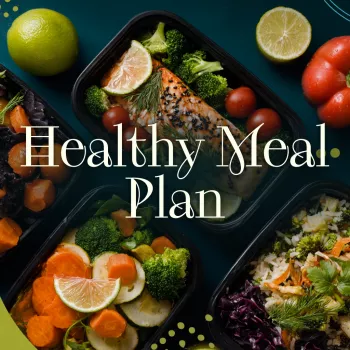
Healthy Meal Planning Made Practical: One-Week or One-Month Balanced Routine
A structured meal plan takes the “what’s for dinner?” pressure off your day while keeping nutrition consistent. Whether you want a simple one-week reset or a full one-month routine, the goal is the same: repeatable, balanced meals that are easy to shop for, easy to prep, and flexible enough to fit real life.
For an everyday framework, many people find it helpful to follow evidence-based plate models like the Harvard Healthy Eating Plate and the Dietary Guidelines for Americans, then adjust portions and ingredients to personal needs.
What a balanced day of meals looks like
A balanced routine doesn’t require perfection or complicated recipes. Build each main meal around protein, fiber-rich carbs, colorful produce, and healthy fats—this combination supports steady energy, satisfaction, and more consistent hunger levels.
Balanced plate guide for quick meal building
| Meal component | Simple options | Why it helps |
|---|---|---|
| Protein | Greek yogurt, eggs, chicken, lentils, tofu, tuna | Supports fullness and muscle maintenance |
| Fiber-rich carbs | Oats, whole-grain bread, quinoa, brown rice, beans | Stabilizes energy and supports digestion |
| Vegetables & fruit | Leafy greens, peppers, berries, apples, frozen mixed veg | Micronutrients, antioxidants, and volume |
| Healthy fats | Olive oil, avocado, nuts, seeds | Flavor + satisfaction; helps absorb fat-soluble vitamins |
Across the week, rotate proteins (beans, poultry, fish, eggs, tofu), grains (oats, quinoa, brown rice), and produce colors to avoid “nutrition ruts.” Snacks also count: pairing protein or healthy fat with fiber (like yogurt + berries or apple + nut butter) helps prevent the energy crash that follows sugary, low-fiber bites. Hydration matters too—water and unsweetened tea fit easily, and minimally processed foods make sodium management simpler.
One-week plan vs one-month plan: choosing the right pace
A one-week plan is ideal when you want quick structure without feeling locked in. It’s great for beginners, unusually busy weeks, or schedules that change often. With fewer recipes to learn at once, shopping is faster and it’s easier to use up ingredients before they spoil.
A one-month plan works best when routine is the priority. Repeating meal patterns can stabilize grocery spending, reduce takeout reliance, and make prep feel automatic. A practical approach is to start with one week, repeat your favorite days, and expand to a full month once the kitchen rhythm feels easy. In general, fewer unique recipes per week means less food waste and fewer specialty ingredients.
How to use a recipe collection effectively
The fastest way to make a recipe collection work is to embrace rotation. Pick 2–3 breakfasts, 2–3 lunches, and 3–5 dinners you actually enjoy, then repeat them strategically. Repetition reduces prep time and prevents the “random leftovers” problem.
Mix-and-match staples are your best friend: a cooked grain, a go-to protein, and a tray of roasted vegetables can turn into grain bowls, salads, wraps, or stir-fries. Assign cooking intensity by day—quick meals on late nights, higher-effort recipes on weekends—and keep a short substitution list so you can swap similar ingredients (spinach for kale, chickpeas for black beans, salmon for tuna) without changing the entire plan.
Prep system that keeps the week simple
Meal planning gets dramatically easier when prep focuses on foundations instead of fully assembled meals. Batch-cook one or two base items (like quinoa or brown rice, plus chicken, beans, or tofu) so weeknight cooking becomes more about assembling than starting from scratch.
Prep produce once: wash greens, chop crunchy vegetables, and portion berries so balanced meals take minutes. Use “two-in-one” cooking—roast vegetables while something simmers, and cook extra servings so dinner becomes tomorrow’s lunch. Finally, build a snack bin with pre-portioned nuts, fruit, hummus, and yogurt so balanced snacking is the default, not the exception.
If you like an all-in-one tool for quick breakfast and lunch ideas, the Multi-Function Electric Waffle & Hot Pot Cooker with Steamer can simplify basic cooking tasks (steaming vegetables, heating soups, or making easy protein-forward breakfasts) with fewer pans to wash.
Portioning and adjustments for common goals
Balanced meals can be tailored without reinventing your entire plan:
When time is tight, protecting your prep window matters as much as choosing recipes. Automating chores can help keep the routine realistic—especially in a one-month plan. The Smart Home Robot Vacuum Cleaner with Mop & Automatic Dust Collection is one option for reducing daily cleanup time so your cooking rhythm is easier to maintain.
Grocery strategy to reduce waste and save time
Buy fruit in two forms: fresh for immediate eating and frozen for later-week smoothies or quick snacks. Then use a “use-first” box in the fridge for berries, leafy greens, and leftovers that need attention before they go bad. If you want another simple visual framework for balancing food groups while shopping and building meals, USDA MyPlate can be a helpful reference.
What’s inside the Healthy Meal Plan & Recipe Collection eBook
If you want a plan you can follow without starting from scratch, the Healthy Meal Plan & Recipe Collection eBook is designed to make day-to-day decisions easier while keeping meals balanced.
FAQ
Can a one-month meal plan still feel flexible?
Yes—use repeatable templates (bowls, salads, wraps), planned leftovers, and simple substitutions so you can swap days or mix meals without breaking the routine.
How can meals stay balanced if snacks are included?
Build snacks the same way you build meals: pair protein or healthy fat with fiber. If you know snacks are planned, slightly reduce meal portions so the overall day still feels steady and satisfying.
What if dietary needs require substitutions (vegetarian, dairy-free, gluten-free)?
Use a swap framework: beans or tofu for meat, plant yogurt/milk for dairy, and rice/quinoa/potatoes for gluten-containing grains. Check labels for sauces and packaged foods to confirm they match your needs.














Leave a comment