V-Coptr Falcon Bi-Copter Drone: 4K Gimbal Guide
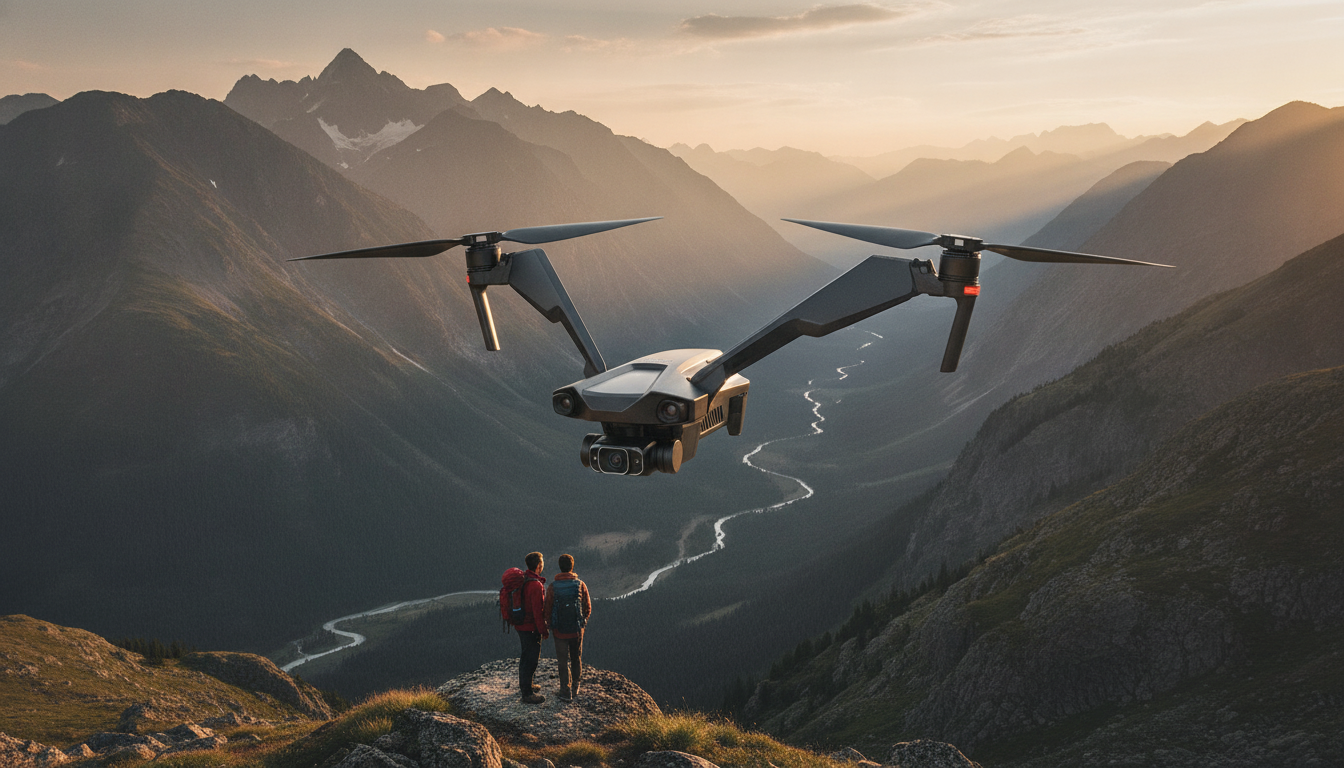
V-Coptr Falcon V-Shaped Bi-Copter with 4K Camera and 3-Axis Gimbal: Design, Footage, and Real-World Use
The V-Coptr Falcon stands out with a V-shaped bi-copter layout that departs from typical quadcopter designs. Paired with a 4K camera and a 3-axis gimbal, it aims to deliver stabilized aerial footage while keeping handling approachable for pilots upgrading from entry-level drones. This guide breaks down what the configuration means in practice, what to expect from the camera system, and the day-to-day factors that matter before taking off.
What Makes a V-Shaped Bi-Copter Different
Most camera drones rely on four fixed arms and four motors; a bi-copter takes a different route by using two main rotors rather than four. That change affects how the aircraft balances itself, how it sounds in the air, and what you should pay attention to before each flight.
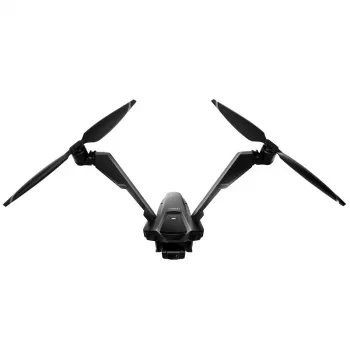
The V-shaped arm layout is designed to balance lift and stability while staying compact and easy to visually orient at a distance. In real use, the key practical takeaway is that the flight feel can differ from a quadcopter—especially during turns and when the drone is correcting itself in a breeze. Pre-flight checks should pay extra attention to rotor mechanisms and any hinges or moving points involved in the arm and motor assembly.
This kind of design is a strong match for pilots who want something visually distinctive and don’t mind being consistent about careful inspections before launching.
Core Specs at a Glance
Use this snapshot to compare quickly against other camera drones in the same price range. As with any drone, treat performance numbers as dependent on conditions like wind, temperature, battery health, payload, and any local restrictions that limit where and how long you can fly.
| Category | What to look for | Why it matters |
|---|---|---|
| Airframe | V-shaped bi-copter layout | Impacts handling, stability, and maintenance checks compared with quadcopters |
| Camera | 4K video capability | Higher-resolution capture for landscapes, real estate, and travel footage |
| Stabilization | 3-axis gimbal | Smoother footage during turns, braking, and mild wind gusts |
| Use cases | Cinematic shots, scouting, hobby filming | Helps match the drone to expectations and legal requirements |
4K Camera: What to Expect from Image Quality
4K capture is most valuable when the motion is controlled. Slow pans, gentle yaw, and steady forward movement tend to look the most cinematic, especially when the scene has fine detail like treelines, rooftops, shorelines, or mountain ridges.
Lighting matters just as much as resolution. Mid-day sun can wash out highlights and flatten color, while golden hour often produces better contrast and richer tones. If you’re filming locations with bright skies and dark ground detail, it helps to plan angles that avoid extreme contrast—like keeping the horizon slightly lower and giving the sensor more usable dynamic range in the frame.
For cleaner footage, avoid abrupt stick movements. Instead of sharp inputs, fly smooth curves and commit to a consistent speed change when accelerating or slowing down. If you plan to edit later, try to keep exposure and white balance consistent from shot to shot; stable settings simplify color matching and reduce flicker across a sequence.
3-Axis Gimbal: Stabilization in Motion
A 3-axis gimbal compensates across multiple directions to reduce jitters caused by wind and pilot inputs. The advantage is most obvious when the drone is doing the kinds of moves that typically reveal body tilt—forward flight, lateral slides, and deceleration. A well-tuned gimbal can keep the horizon looking more level and reduce the “bounce” that makes footage feel handheld.
Before you fly, confirm the gimbal moves freely and calibrates without obstruction. Binding, a partially attached cover, or dust around the gimbal area can lead to shaky footage or unnecessary motor strain. A simple habit that pays off: clean the lens with a microfiber cloth and remove any protective gimbal cover before powering on so the gimbal can initialize correctly.
Flight Handling and Control Feel
Expect different yaw and turn behavior compared with a typical quadcopter. That isn’t a downside, but it does mean you’ll want a little runway—an open area with a safe buffer—before attempting tight lines near trees, buildings, or other obstacles.
Setup, Pre-Flight Checks, and Battery Habits
Safety, Rules, and Responsible Flying
Confirm local drone rules before flying, including registration requirements, altitude limits, and restricted airspace. In the U.S., the FAA provides straightforward guidance for safe operation at Fly UAS Safely, and registration details at Register Your Drone. For pilots traveling in Europe, EASA’s overview of the open category is a helpful starting point: EASA Open Category.
Who This Drone Is Best For
What to Consider Before Buying
In-Store Picks
- V-Coptr Falcon V-Shaped Bi-Copter with 4K Camera and 3-Axis Gimbal
- Smart Home Robot Vacuum Cleaner with Mop & Automatic Dust Collection
- Multi-Function Electric Waffle & Hot Pot Cooker with Steamer
FAQ
Is a bi-copter harder to fly than a quadcopter?
It can feel different, especially during yaw and braking, but most pilots adapt quickly with practice. Start in a wide, open area and use gentle inputs while you learn the drone’s turning and stopping behavior.
Does a 3-axis gimbal make a noticeable difference for 4K video?
Yes, it typically reduces jitter and helps keep footage smoother during turns and deceleration. The best results come from combining gimbal stabilization with slow, deliberate flight and good lighting.
Do drone rules apply to recreational filming and travel footage?
In many places, rules apply regardless of whether you’re filming for fun or sharing travel clips online. Check registration and airspace restrictions for each location and follow basic safety requirements like line of sight and separation from people.













Leave a comment