Touchless Sensor Trash Can: Stainless, High-Capacity
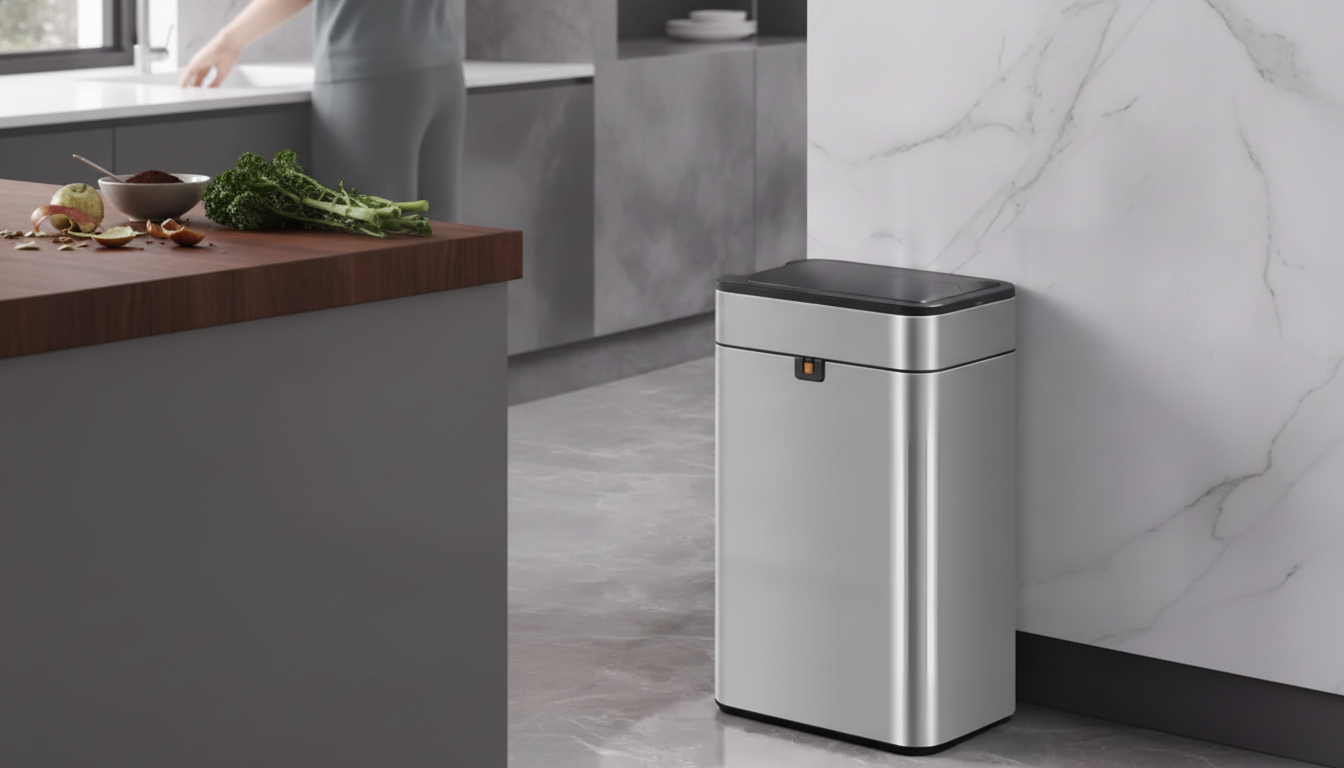
Touchless Stainless Steel Sensor Trash Can: Smart, High-Capacity Waste Bin for Cleaner Spaces
A touchless sensor trash can helps cut down on mess, odors, and repeated contact with high-touch surfaces—especially in kitchens, bathrooms, offices, and shared spaces. Stainless steel adds durability and a clean, modern look, while a high-capacity design reduces how often the bag needs changing. For busy households and high-traffic rooms, a hands-free lid can make everyday cleanup feel noticeably smoother.
What Makes a Touchless Sensor Trash Can Different
Traditional step or swing-top bins still require contact—either with a pedal, lid, or rim—right when hands are messy or when you’re trying to keep surfaces cleaner. A touchless sensor model changes the routine in a few practical ways:
- Hands-free lid operation reduces contact with the bin during food prep, cleanup, and daily chores.
- Sensor-activated opening helps contain odors by keeping the lid closed when not in use.
- Stainless steel body resists dents and holds up well in busy areas like kitchens and break rooms.
- High-capacity size can be a better fit for families, meal prep routines, or frequent packaging waste.
When the lid stays closed by default, you’re also less likely to notice “ambient” trash smells drifting into nearby rooms—particularly helpful in open-concept kitchens or smaller apartments.
Where It Fits Best at Home or Work
A sensor bin can work almost anywhere, but it shines in spots where your hands are often full, wet, or messy—and where multiple people use the same surfaces throughout the day.
- Kitchen: quick drop-in for peels, wrappers, and plate scrapings without touching the lid.
- Bathroom: cleaner disposal for tissues and wipes (follow local guidance for what not to flush).
- Home office: tidy handling of paper waste and packaging without repeated lid contact.
- Nursery or pet area: convenient disposal for pet waste bags or diaper-related trash (use liners and odor control where needed).
Common placements and what to look for
| Location | Why touchless helps | Practical tip |
|---|---|---|
| Kitchen | Reduces cross-contact during cooking and cleanup | Place within easy reach of prep and sink zones |
| Bathroom | Limits contact with a frequently used surface | Use a liner to simplify emptying and keep the inner bucket clean |
| Office / studio | Keeps waste contained while working | Choose a spot that avoids bumping the sensor when passing by |
| Shared spaces | Supports more hygienic habits for multiple users | Set lid sensitivity to reduce accidental openings |
Key Features to Check Before Buying
Not all sensor trash cans behave the same day-to-day. These checkpoints help you avoid common annoyances (like false openings or awkward bag changes) and get a bin that fits your space.
- Sensor range and responsiveness: look for consistent opening without excessive false triggers.
- Lid mechanism: a smooth open/close cycle can reduce noise and help maintain an odor seal.
- Capacity and footprint: higher capacity is useful, but verify it still fits the intended space.
- Liner compatibility: confirm whether standard tall-kitchen bags fit well and stay secured.
- Power and battery access: easy-to-reach compartment and predictable battery life reduce downtime.
- Inner bucket and rim design: removable inner bucket simplifies cleaning and prevents bag slippage.
If the bin will sit near a walkway, prioritize stable placement and a sensor that doesn’t “wake up” every time someone passes. In tight kitchens, footprint matters as much as capacity—bigger isn’t always better if it blocks cabinet doors or drawers.
Daily Use Tips for Cleaner, Smoother Operation
A touchless lid is convenient, but it performs best with a little setup and routine care.
Cleaning and Care for Stainless Steel and the Lid
For general guidance on cleaning and disinfecting routines in workplaces and shared environments, review the CDC recommendations here: CDC — Cleaning and Disinfecting Your Facility. For waste-reduction habits that can also help keep bins from overfilling quickly, see EPA — Reduce, Reuse, Recycle.
Product Spotlight: Touchless Stainless Steel Sensor Trash Can
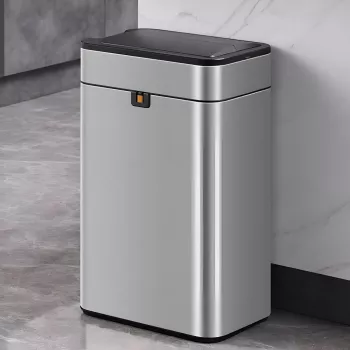
If the goal is a cleaner routine with fewer lid touches and fewer trips to empty the bin, the Touchless Stainless Steel Sensor Trash Can – Smart, High Capacity Waste Bin is a strong fit for kitchens, bathrooms, offices, and other high-use areas. The stainless steel exterior complements modern interiors while handling daily wear, and the high-capacity design is built for homes that cook often or manage frequent packaging waste.
Quick look
| Detail | Value |
|---|---|
| Product | Touchless Stainless Steel Sensor Trash Can – Smart, High Capacity Waste Bin |
| Availability | In stock |
| Price | 806.99 USD |
| Category fit | Kitchen, bathroom, office, shared spaces |
Pairing Ideas for a More Automated Clean-Up Routine
For hands-off floor upkeep, consider the Smart Home Robot Vacuum Cleaner with Mop & Automatic Dust Collection. And for multi-task cooking that can reduce extra disposable packaging (like takeout containers), the Multi-Function Electric Waffle & Hot Pot Cooker with Steamer can help streamline meals and keep prep contained.
FAQ
How close does a hand need to be for the sensor to open the lid?
The exact range varies by model and any sensitivity settings, so it’s best to test placement after setup. Keeping the sensor window clean and avoiding nearby moving objects (like swinging cabinet doors) helps prevent false triggers and missed openings.
Do touchless trash cans help with odors?
Yes—keeping the lid closed between uses limits odor escape compared with always-open bins. For best results, use liners, empty regularly, clean the inner bucket, and add odor absorbers like baking soda or charcoal where compatible.
How should stainless steel be cleaned without leaving streaks?
Use mild soap and water with a microfiber cloth, wiping with the grain, then dry immediately. If fingerprints persist, a stainless steel cleaner/polish made for appliances can help, while abrasives should be avoided.













Leave a comment