Modern Home Decor Trends 2026: Sustainable, Stylish Ideas
Intro
Home decor trends move fast, but the most memorable interiors don’t rely on quick fixes—they combine clear direction, thoughtful materials, and a few high-impact updates. This guide breaks down today’s most livable looks, how to spot what will last, and practical ways to bring sustainable design into each room without sacrificing style.
What “Modern” Looks Like Right Now
Modern interiors are leaning softer, warmer, and more personal—less “showroom perfect,” more “easy to live in.” These are the biggest signals shaping today’s most stylish spaces:
- Warm minimalism: clean lines softened by warmer woods, textured textiles, and layered lighting rather than stark white-on-white rooms.
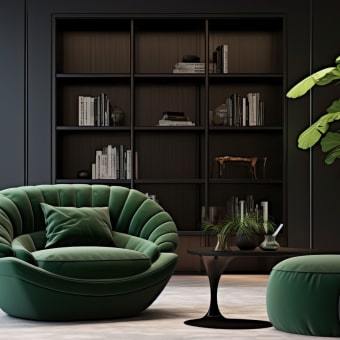
- Curves and organic shapes: rounded sofas, scalloped edges, oval mirrors, and arched doorways that make spaces feel more inviting.
- Tactile surfaces: limewash, plaster finishes, bouclé, slub linen, and ribbed or fluted wood details adding depth without clutter.
- Color with restraint: fewer colors overall, but richer tones (clay, olive, ink, cocoa, ochre) used intentionally for contrast.
- Personalized, collected styling: vintage accents, artisan objects, and meaningful pieces replacing overly matched sets.
Trend-to-Action Cheatsheet
| Trend | Easy update | Best rooms | Sustainable swap |
|---|---|---|---|
| Warm minimalism | Add one large neutral rug with texture | Living room, bedroom | Choose wool, jute, or recycled-fiber blends |
| Curves | Swap a rectangular mirror for an arched one | Entryway, bath | Buy secondhand or choose FSC-certified frames |
| Tactile walls | Paint one wall in limewash effect | Dining room, office | Use low-VOC mineral paint |
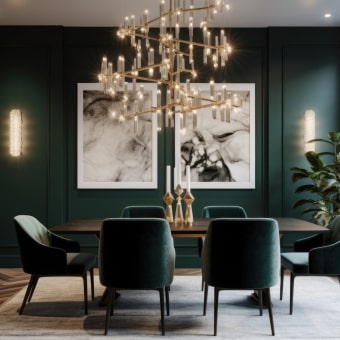
| Statement lighting | Replace a single overhead fixture | Kitchen, dining | Look for LED compatibility and durable metals |
| Vintage/collected | Add one antique side table | Living room, bedroom | Refurbish instead of buying new |
Trendspotting Without Getting Swept Up
The trick isn’t chasing every new look—it’s learning how to recognize what’s actually shifting and what’s just a brief aesthetic spike.
- Separate “micro-trends” from “macro shifts”: micro-trends are surface-level (a specific print); macro shifts are lifestyle-driven (sustainability, comfort, multifunctional rooms).
- Track repetition across sources: when a look appears in retail, design studios, and real homes at once, it’s usually gaining staying power.
- Look for material and function clues: durable fabrics, repairable furnishings, and modular layouts often outlast purely visual fads.
- Use the 80/20 rule: keep 80% of the room timeless (sofa, floors, major casegoods) and reserve 20% for trend updates (pillows, art, paint).
- Test trends in “low-commitment zones”: entryways, powder rooms, and shelving vignettes let styles evolve without expensive replacements.
Sustainable Design That Still Feels Elevated
Sustainable choices can look premium when they’re tied to craft, performance, and longevity—not just labels. Start with upgrades you’ll notice every day.
- Prioritize longevity: choose classic silhouettes, sturdy joinery, and washable slipcovers to extend product life.
- Choose better materials: FSC-certified wood, recycled glass, organic cotton/linen, low-VOC finishes, and natural latex when possible. For background on indoor air quality and finishes, see the EPA guidance on VOCs.
- Buy vintage and refurbished: secondhand furniture often offers better craftsmanship and avoids new manufacturing emissions.
- Focus on lighting efficiency: LED bulbs, dimmers, and layered lighting (ambient + task + accent) reduce energy use and improve mood; ENERGY STAR’s LED basics are a helpful reference.
- Avoid “fast decor”: repeated low-cost replacements create waste; invest in a few versatile staples and rotate smaller accessories seasonally.
When shopping wood furnishings, look for responsible sourcing (like FSC certification) and finishes that can be refreshed rather than replaced.
Room-by-Room Updates That Make the Biggest Difference
Instead of spreading your budget thin, pick one or two changes per room that deliver a visible upgrade in comfort and cohesion.
- Living room: anchor with a generous rug, add one sculptural lamp, and introduce texture through throws and pillows rather than extra furniture.
- Bedroom: upgrade bedding layers (sheet + quilt/duvet + textured blanket), add blackout curtains, and use warm lighting for a hotel-like feel.
- Kitchen: swap cabinet hardware, add under-cabinet lighting, and bring in a runner for softness and sound absorption.
- Bathroom: add a framed mirror, coordinated towel set, and a small tray for daily items to reduce visual clutter.
- Entryway: use a narrow console or wall hooks with a catchall tray; a single oversized artwork makes a strong first impression.
Color, Pattern, and Texture: A Simple Balancing System
A room feels “designed” when the palette is controlled and the surfaces do the talking. Use this easy structure to keep choices from competing.
A Practical Toolkit for Planning a Stylish Interior
Digital Inspiration That Turns Into Real Results
Shop Helpful Digital Guides
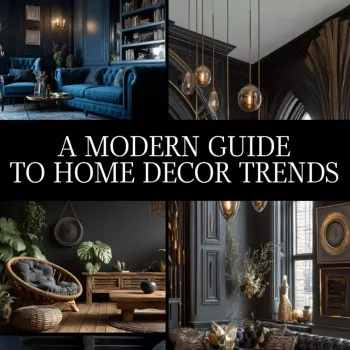
- A Modern Guide to Home Decor Trends | Digital eBook for Stylish Interiors, Trendspotting, and Sustainable Design Inspiration
- How to Pick Dining Chairs Checklist | Digital Download Guide for Choosing the Perfect Dining Room Chairs, Home Decor, Dining Table Seating, Interior Design Tips
FAQ
How can home decor trends be used without making a space feel dated next year?
Keep foundational pieces classic and bring trend elements in through paint, textiles, and accessories. Aim for an 80/20 balance—timeless anchors with a smaller layer of updates you can swap out easily.
What are the simplest sustainable upgrades that still look high-end?
Choose low-VOC paint, LED lighting, and natural or recycled textiles, and mix in vintage or refurbished furniture when possible. Fewer, better-made pieces tend to read more elevated than frequent replacements.
What’s the fastest way to make a room look more cohesive?
Unify warm vs. cool undertones, repeat two to three finishes, and limit the palette to a base neutral plus one grounding color. A large rug and layered lighting also pull mismatched items into a single, calmer story.









Leave a comment